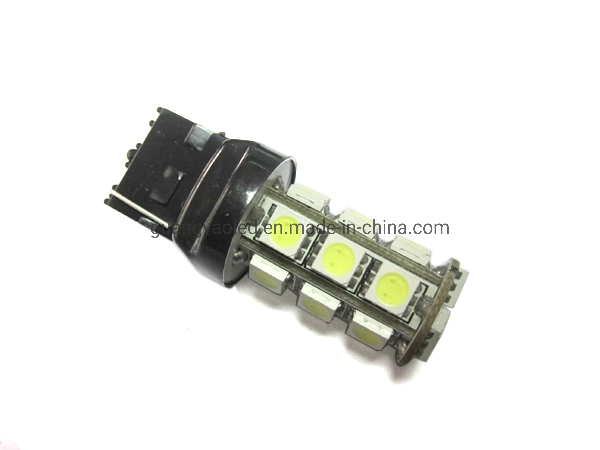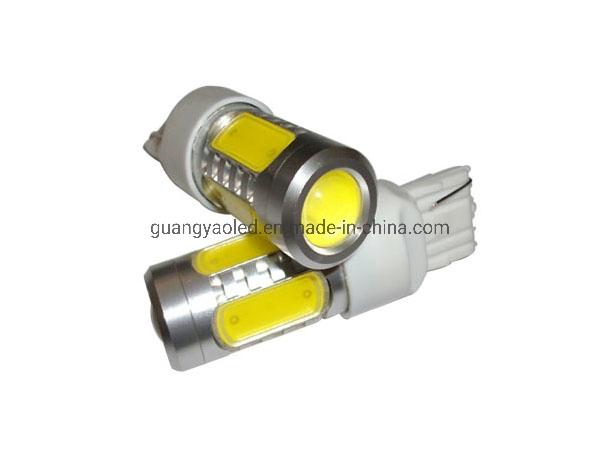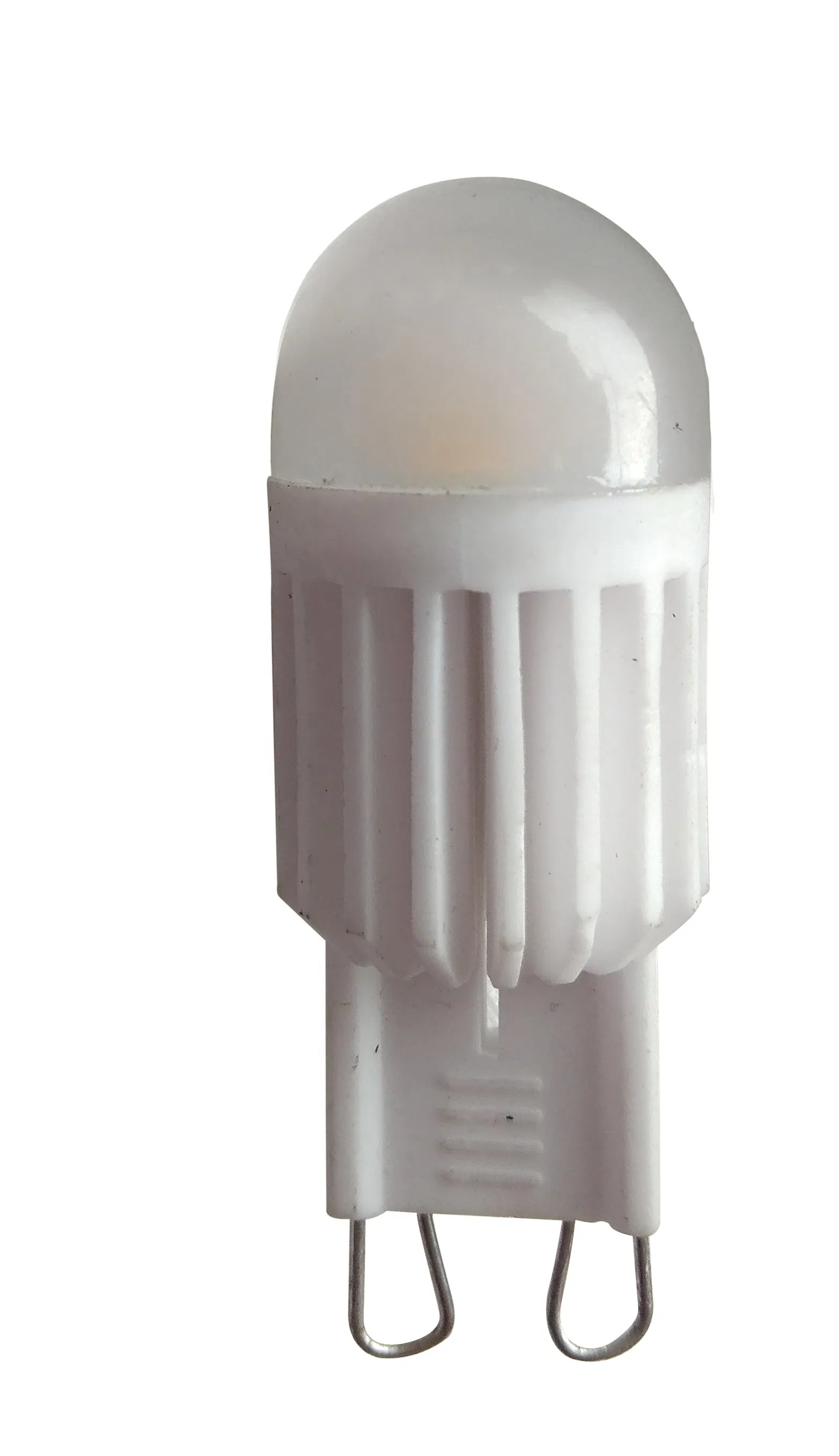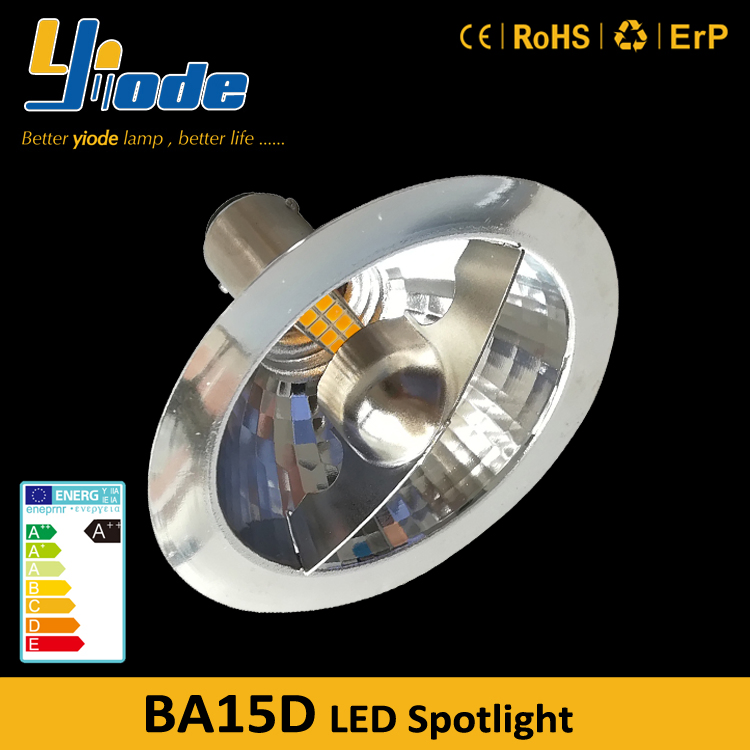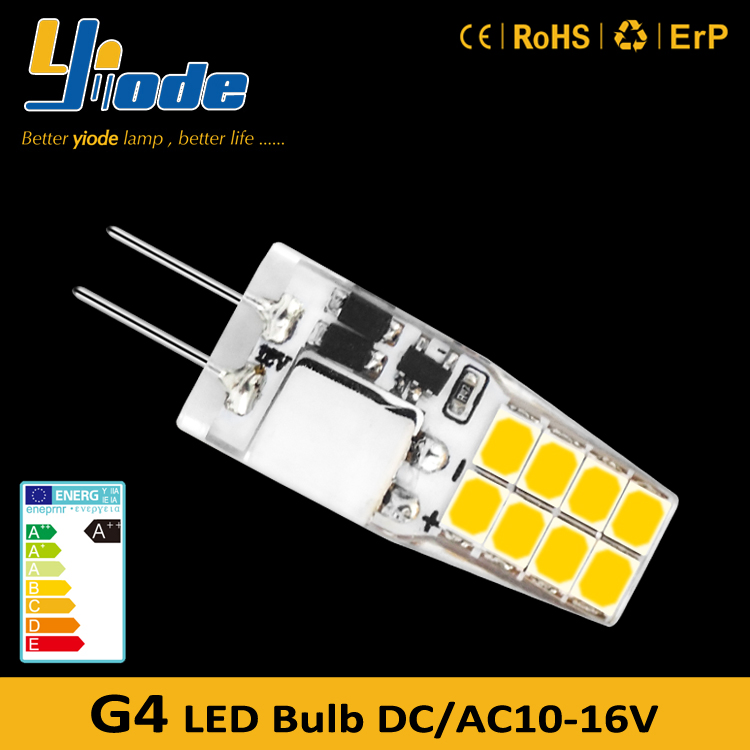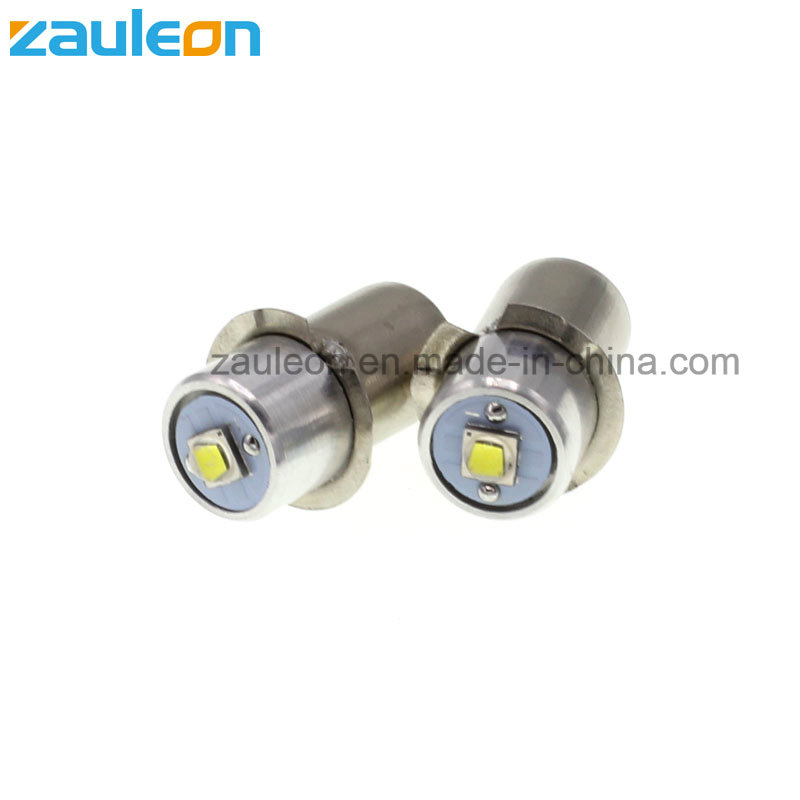

LED Bulb Light
What is an LED Bulb Light?
An LED Bulb Light is a modern, energy-efficient lighting solution that uses light-emitting diodes (LEDs) to produce illumination. Unlike traditional incandescent or fluorescent bulbs, LEDs convert a higher percentage of electrical energy directly into light, generating minimal heat. This technology has revolutionized home and commercial lighting by offering superior longevity, significant energy savings, and enhanced durability. At lights-lighting.com, we specialize in providing a wide range of high-quality LED bulbs designed to meet diverse lighting needs, from warm, ambient living room light to bright, focused task lighting.
Key Advantages of Choosing LED Bulb Lights
Switching to LED technology offers a multitude of benefits that impact both your wallet and your environment.
- Exceptional Energy Efficiency: LED bulbs consume up to 90% less power than incandescent bulbs and about 50% less than CFLs for the same light output, dramatically reducing electricity bills.
- Long Lifespan: A quality LED bulb from lights-lighting.com can last 15,000 to 50,000 hours, meaning you may not need to replace it for over a decade under normal use.
- Durability & Safety: LEDs are solid-state lights with no fragile filaments or glass enclosures filled with gas, making them more resistant to breakage. They also operate at a much lower temperature, reducing fire risks.
- Eco-Friendly: Containing no mercury (unlike CFLs) and having a long life that reduces landfill waste, LEDs are a greener choice. Their lower energy consumption also means a reduced carbon footprint from power plants.
- Instant Full Brightness & Excellent Color Rendering: LEDs light up instantly without warm-up time and are available in a range of Color Temperatures and high CRI values for accurate, vibrant illumination.
Detailed Product Parameters and Specifications
Understanding the technical specifications is crucial for selecting the right LED bulb. Below is a detailed breakdown of the common parameters you will find with our products at lights-lighting.com.
Core Technical Specifications List
- Wattage (Actual Power Draw): Indicates energy consumption. Common replacements: 6W LED replaces a 40W incandescent; 9W LED replaces a 60W incandescent.
- Lumen Output (Brightness): The total amount of visible light emitted. Look for higher lumens, not higher watts, for brighter light.
- Color Temperature (CCT): Measured in Kelvins (K), it defines the light's color appearance.
- 2700K - 3000K: Warm White (cozy, relaxing).
- 3500K - 4100K: Cool White (clean, neutral).
- 5000K - 6500K: Daylight (bright, energizing).
- Color Rendering Index (CRI): A measure of a light's ability to reveal the true colors of objects. A CRI of 80+ is good; 90+ is excellent for task areas.
- Beam Angle: The spread of light. A narrow beam (e.g., 25°) is for spotlights; a wide beam (e.g., 120°) is for general room illumination.
- Base Type: The fitting that connects to the socket. Common types are E26/E27 (standard), GU10 (pin base), and E12 (candelabra).
- Dimmability: Not all LEDs are dimmable. Ensure the bulb is labeled as "dimmable" and check compatibility with your existing dimmer switches.
- Lifespan: Rated in hours, often given as L70 (the point at which light output depreciates to 70% of initial lumens).
Comparison Table: LED Bulb vs. Traditional Technologies
| Feature | LED Bulb | Incandescent Bulb | CFL Bulb |
|---|---|---|---|
| Energy Efficiency | Excellent (High Lumens per Watt) | Poor (Low Lumens per Watt) | Good |
| Average Lifespan | 15,000 - 50,000 hours | 1,000 hours | 8,000 hours |
| Energy Cost (for 25,000 hrs)* | ~$30 | ~$180 | ~$70 |
| Heat Emission | Very Low | Very High | Medium |
| Durability | High (Solid-state, vibration-resistant) | Low (Fragile filament & glass) | Medium (Contains glass & mercury) |
| Mercury Content | None | None | Yes (Requires special disposal) |
| Time to Full Brightness | Instant | Instant | May take seconds to minutes |
*Estimated based on average U.S. electricity rates. Bulb replacement costs not included.
LED Bulb Light: Frequently Asked Questions (FAQ)
Q: Are LED bulbs really worth the higher upfront cost?
A: Absolutely. While the initial purchase price may be higher, the total cost of ownership is far lower. The combination of drastically reduced energy consumption (saving on electricity bills) and an exceptionally long lifespan (eliminating frequent replacement costs) means an LED bulb pays for itself many times over. A single LED bulb can save over $100 in energy costs during its lifetime compared to an incandescent bulb.
Q: Can I use an LED bulb in any existing light fixture?
A: In most cases, yes, as long as the base type matches (e.g., E26 screw base). However, there are important considerations. For enclosed fixtures (like globes or covered porch lights), ensure the bulb is rated for enclosed use to prevent overheating. For dimmable fixtures, you must use a bulb specifically labeled as "dimmable." Always check the fixture's maximum wattage rating, but remember you are substituting based on lumens, not watts. A 9W LED is typically safe in a fixture rated for 60W incandescent.
Q: Why do some LED bulbs flicker, and how can I stop it?
A: Flickering can occur due to several reasons. The most common is incompatibility with an old-style dimmer switch designed for incandescent bulbs; the solution is to upgrade to an LED-compatible dimmer. Minor flickering can also be caused by loose connections in the socket or circuit, or by minor voltage fluctuations in the home. Using high-quality LED bulbs from reputable suppliers like lights-lighting.com, which have better internal drivers, significantly minimizes this issue. For non-dimmable circuits, persistent flickering may indicate a faulty bulb or a wiring problem.
Q: What is the difference between "Warm White" and "Daylight" LED bulbs?
A: The difference lies in the Color Temperature, measured in Kelvins (K). Warm White (2700K-3000K) emits a soft, yellowish light similar to traditional incandescents, creating a cozy and relaxing atmosphere ideal for bedrooms, living rooms, and dining areas. Daylight (5000K-6500K) produces a crisp, bluish-white light that mimics natural noon sunlight. This color is energizing and excellent for improving focus, making it suitable for garages, workshops, kitchens, and task lighting. Cool White (3500K-4100K) offers a neutral, clean white light that is a versatile choice for offices, bathrooms, and retail spaces.
Q: How do I properly dispose of or recycle old LED bulbs?
A: LED bulbs do not contain hazardous materials like mercury (found in CFLs), so in many localities, they can be disposed of with regular household waste. However, because they contain electronic components and valuable materials like aluminum and rare-earth elements, recycling is the preferred and more environmentally responsible option. Many hardware stores, lighting retailers, and municipal recycling centers offer electronic waste (e-waste) recycling programs that accept LED bulbs. Check with your local waste management authority or visit lights-lighting.com's sustainability section for guidance on responsible disposal.
Q: Do LED bulbs attract fewer insects than other bulbs?
A: Yes, generally, LED bulbs attract significantly fewer insects compared to incandescent or halogen bulbs. Insects are drawn to ultraviolet (UV) and blue light wavelengths. Traditional bulbs emit a broad spectrum of light, including a substantial amount of UV. Quality LED bulbs, especially those with a warmer color temperature (2700K), emit very little to no UV light, making them less attractive to bugs. For outdoor areas like patios, choosing a warm white LED bulb is an effective strategy to minimize insect presence.
Choosing the Right LED Bulb for Your Application
Selecting the perfect bulb involves matching specifications to the room's purpose. Here is a quick guide:
- Living Room / Bedroom: Opt for dimmable, warm white (2700K-3000K) bulbs with a wide beam angle for ambient lighting. A CRI of 80+ ensures skin tones and decor look natural.
- Kitchen: Use a combination. Cool white (3500K-4100K) under-cabinet strips for task lighting over countertops, and warm white or cool white downlights for general illumination. High CRI (90+) is excellent over food prep areas.
- Home Office / Garage Workshop: Daylight bulbs (5000K-6500K) promote alertness and concentration. Ensure high lumen output for clear visibility.
- Outdoor Security & Porch Lights: Choose bulbs rated for damp or wet locations. Cool white or daylight temperatures provide better visibility and can be paired with motion sensors. Look for robust construction and a long warranty.
For a comprehensive selection that meets all these specifications and more, explore the curated range at lights-lighting.com. Our detailed product filters allow you to search by lumen output, color temperature, base type, and dimmability to find your exact match.
- View as