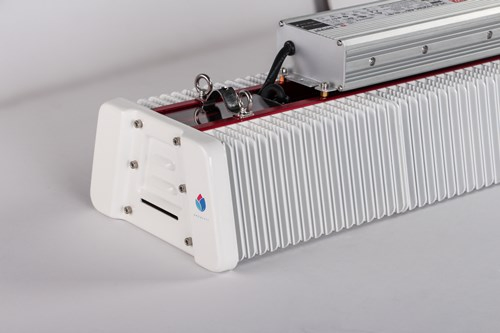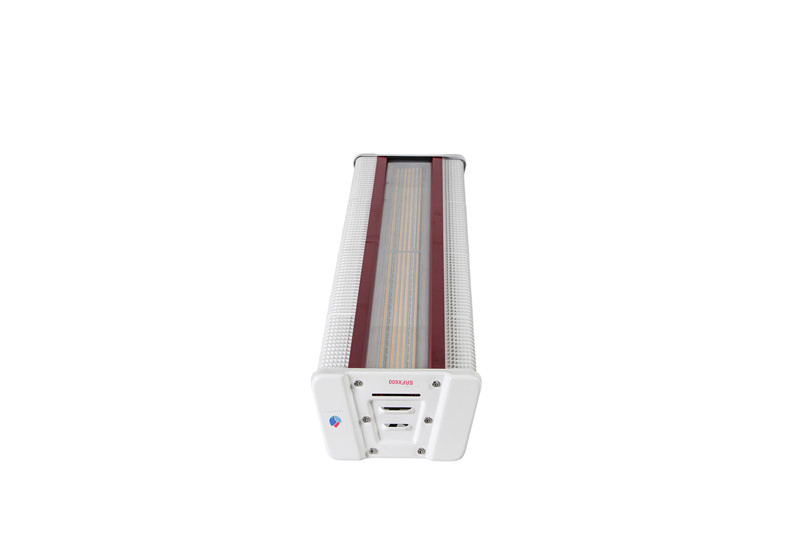

LED Grow Light
Optimize Plant Growth with Professional LED Grow Lights
For serious gardeners and commercial cultivators, providing the ideal light spectrum is the cornerstone of success. Natural sunlight, while perfect, is often inconsistent and unavailable. This is where professional LED grow lights from lights-lighting.com become an indispensable tool. Our advanced lighting solutions are engineered to deliver targeted photosynthetic active radiation (PAR), promoting vigorous vegetative growth, abundant flowering, and maximized yields in any indoor environment.
Unlike traditional HID or fluorescent systems, modern LED technology offers unparalleled efficiency, longevity, and control. By utilizing specific wavelengths of light, our fixtures provide exactly what your plants need at each stage of their lifecycle, while minimizing heat output and energy consumption. Whether you're nurturing delicate seedlings, cultivating lush greens, or flowering high-value crops, the right LED grow light system makes all the difference.
Why Choose Our LED Grow Lights from lights-lighting.com?
Our commitment at lights-lighting.com is to provide growers with reliable, high-performance lighting built on solid engineering and horticultural science. We don't just sell lights; we provide growth solutions.
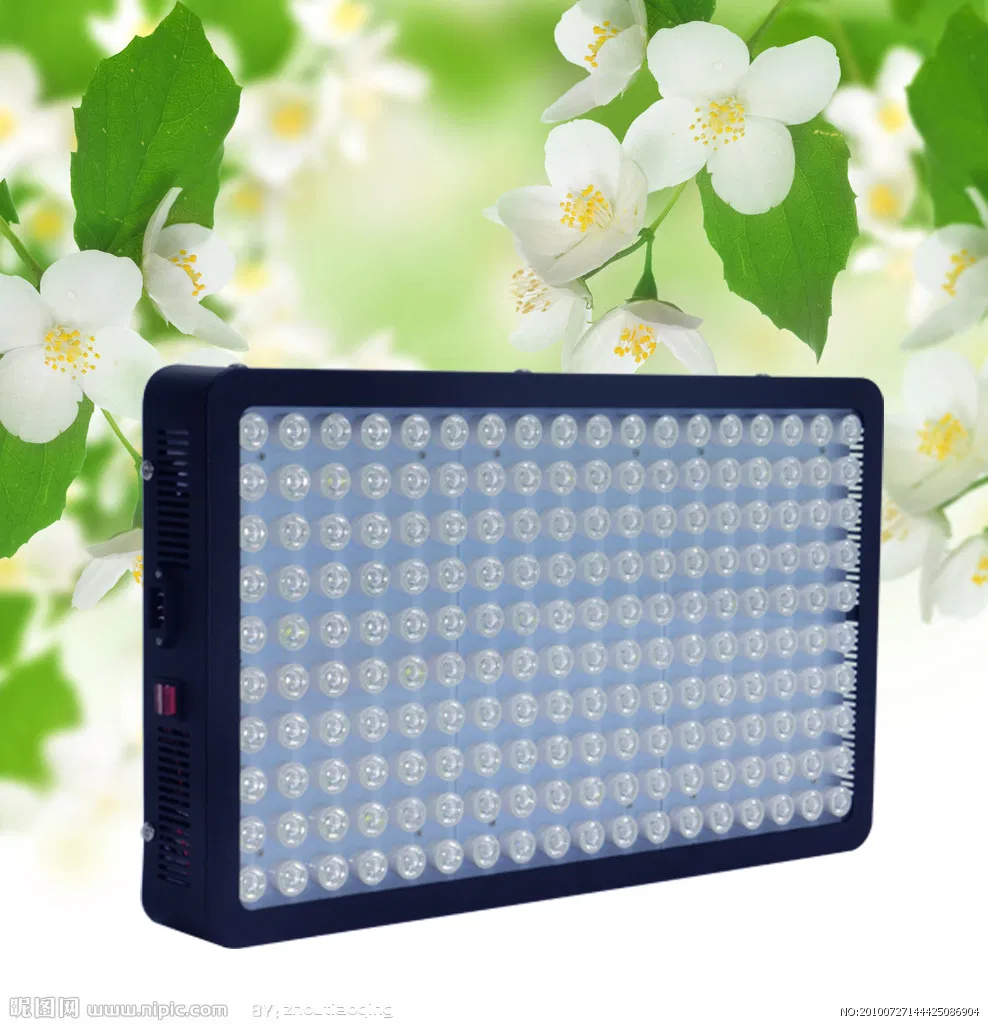
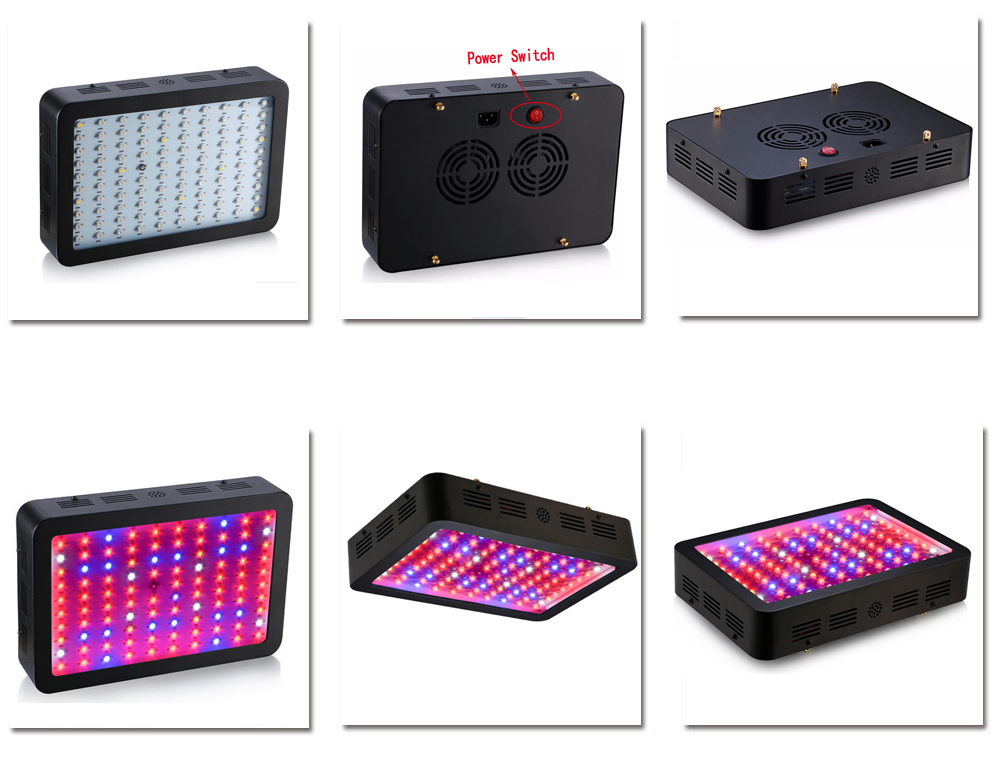
- Full-Spectrum Science: Our lights are not simply "white" LEDs. They incorporate a precise blend of deep blue, hyper red, far-red, and sometimes UV/IR diodes to mimic and even improve upon the natural solar spectrum, triggering specific plant photoreceptors for optimal development.
- Superior Energy Efficiency: Convert more electricity into usable light for your plants, not wasted heat. This leads to significantly lower operational costs compared to HPS/MH systems, with savings often exceeding 50% on energy bills.
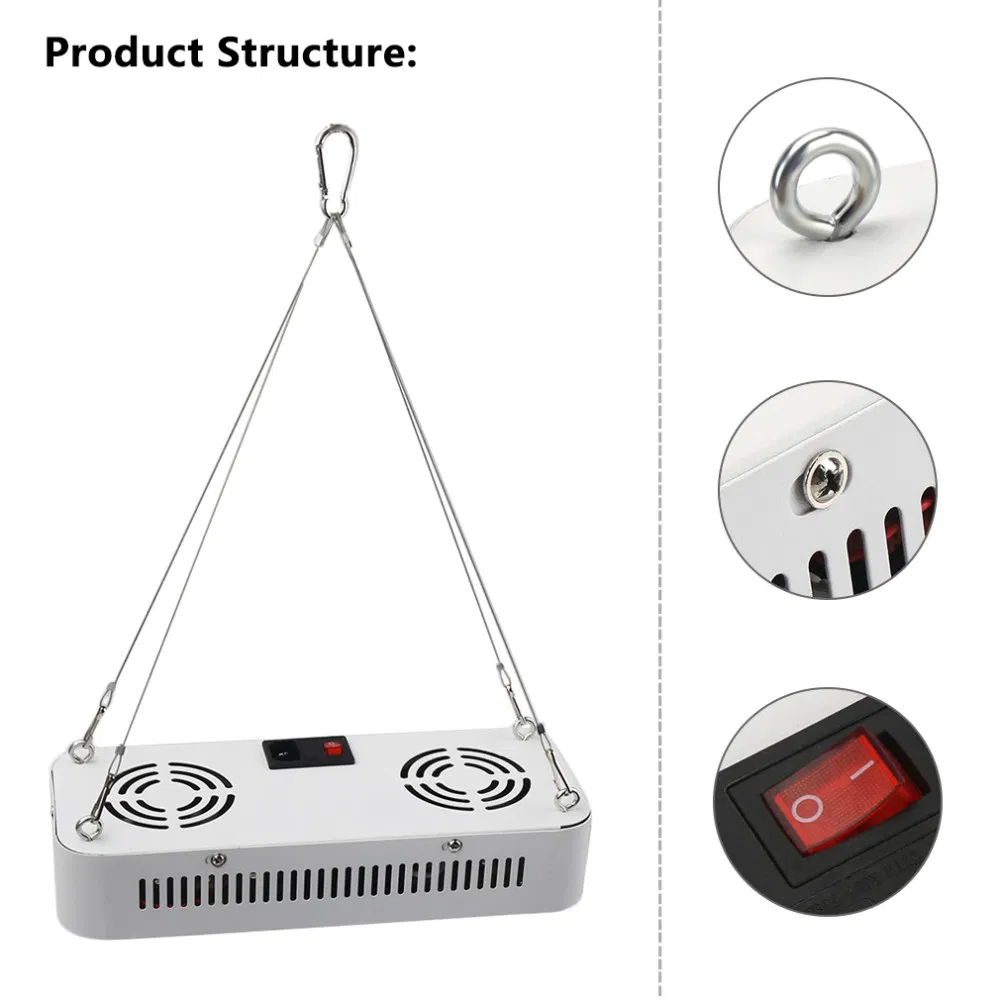
- Robust Heat Management: Built with high-quality aluminum heat sinks and passive/active cooling systems, our fixtures maintain low operating temperatures, extending the lifespan of the LEDs and allowing you to place lights closer to the canopy without risk of burn.
- Commercial-Grade Durability: Designed for 24/7 operation, our lights feature industrial-grade components, waterproof ratings (where applicable), and are backed by comprehensive warranties, ensuring years of dependable service.
- Scalable Solutions: From a single panel for a home herb garden to modular bars for a large-scale greenhouse, lights-lighting.com offers scalable systems to fit any space and ambition.
Detailed Product Specifications & Comparison
Understanding the technical parameters is key to selecting the perfect light. Below are the detailed specs for our two flagship models, followed by a comparison table to help you decide.
Model Pro-Grow 800: Full-Spectrum LED Grow Light
- Power Draw: 800W (Actual from wall)
- LED Configuration: Samsung LM301H EVO (White) + Osram 660nm (Deep Red) + 450nm (Blue) + 730nm (Far Red)
- PPF (Photosynthetic Photon Flux): 2100 μmol/s
- PPE (Photon Efficacy): 2.6 μmol/J
- Coverage Area: Up to 5' x 5' (Flowering), 6' x 6' (Vegetative)
- Dimming: 0-100% Stepless Dimmer + External Timer Compatibility
- Input Voltage: AC 100-277V (Universal)
- Lifespan: > 50,000 hours (L90)
- Warranty: 5-Year Comprehensive
Model VegMaster 400: Vegetative Specialist LED Light
- Power Draw: 400W
- LED Configuration: Samsung LM301B (High-White) + 450nm (Blue) Dominant Spectrum
- PPF: 1040 μmol/s
- PPE: 2.6 μmol/J
- Coverage Area: Up to 4' x 4' (Vegetative), 3' x 3' (Propagation)
- Dimming: 50%-100% Adjustable
- Input Voltage: AC 120-240V
- Lifespan: > 50,000 hours
- Warranty: 3-Year
| Feature | Pro-Grow 800 | VegMaster 400 |
|---|---|---|
| Primary Use Case | Full-Cycle Growth (Seed to Harvest), Commercial Flowering | Propagation, Vegetative Growth, Leafy Greens, Herbs |
| Spectrum | Full Spectrum + Far Red for Emerson Effect | Blue-Heavy Spectrum for Compact, Bushy Growth |
| Max Coverage (Flower) | 25 sq. ft. (5'x5') | 9 sq. ft. (3'x3') |
| Key Feature | 0-100% Dimming, Daisy-Chain Function | Optimized for Energy-Efficient Veg Growth |
| Ideal For | Serious Hobbyists, Small Commercial Operators | Home Growers, Seed Starting, Vertical Farms for Greens |
LED Grow Light FAQs
Q: How far should I hang my LED grow light from my plants?
A: The optimal hanging height varies by light intensity and growth stage. For high-intensity lights like our Pro-Grow 800, keep it 24-30 inches above seedlings, 18-24 inches during vegetative growth, and 12-18 inches during flowering. For lower-intensity or vegetative lights like the VegMaster 400, you can place them closer, typically 12-18 inches for mature plants. Always refer to the manufacturer's guidelines and observe plant response—if leaves show signs of bleaching or curling, raise the light.
Q: Can LED grow lights really replace the sun for all plants?
A: Yes, advanced full-spectrum LED grow lights like those from lights-lighting.com are designed to provide all the necessary wavelengths for photosynthesis and photomorphogenesis. They can successfully grow a vast range of plants from start to finish, including fruiting and flowering varieties. In many controlled environment agriculture settings, LEDs are the primary and sole light source, often yielding results superior to seasonal sunlight due to consistency and spectrum optimization.
Q: What do PAR, PPF, and PPE mean, and why are they important?
A: These are the critical metrics for measuring horticultural light performance. PAR (Photosynthetically Active Radiation) is the range of light (400-700nm) plants use. PPF (Photosynthetic Photon Flux) measures the total amount of PAR photons a light emits per second (in μmol/s). PPE (Photosynthetic Photon Efficacy) measures how efficiently a light converts electrical power into PAR photons (μmol/J). A higher PPE means more light for your plants per dollar spent on electricity. We provide these verified metrics for all our lights at lights-lighting.com.
Q: Do LED grow lights produce a lot of heat?
A: They produce significantly less radiant heat compared to HPS or MH lights because they are more efficient. However, they do generate heat at the diode and driver level. Our lights are engineered with large aluminum heat sinks and efficient thermal management systems to dissipate this heat effectively. This allows for closer canopy placement without the risk of heat stress that is common with traditional lighting.
Q: How long do LED grow lights typically last?
A: Quality LED grow lights, such as our models using top-bin Samsung and Osram diodes, have a very long operational life, often rated at 50,000 hours or more. The "L90" rating means the light will still output 90% of its initial brightness after 50,000 hours of use. This translates to over 5 years of continuous 24/7 operation. The driver is typically the first component to need replacement.
Q: What is the benefit of a dimmable LED grow light?
A: Dimmability offers crucial control. It allows you to reduce intensity for seedlings or sensitive plants, adjust light levels to match natural DLI (Daily Light Integral) requirements, and gradually acclimate plants to higher intensities. It also enables you to run a single, powerful light at lower wattage for different growth stages or tent sizes, providing great flexibility and energy savings.
Q: Are your lights at lights-lighting.com suitable for a damp greenhouse environment?
A: We offer fixtures with specific Ingress Protection (IP) ratings. For dry indoor grow rooms, standard ratings are sufficient. For environments with high humidity, water splashes, or condensation, we recommend our IP65-rated or higher models. These are sealed against dust and low-pressure water jets, making them ideal for greenhouses, hydroponic setups, and other damp growing conditions. Check the product specifications on our website for the exact IP rating.
Technical Deep Dive: Understanding Light Spectrum in LED Grow Lights
The spectrum is the most critical aspect of an LED grow light. Plants use different wavelengths for different physiological processes.
- Blue Light (400-500nm): Essential for vegetative growth. It promotes chlorophyll production, compact, bushy structure (reduces stretching), and stomatal opening. Our VegMaster 400 emphasizes this range.
- Red Light (600-700nm): The primary driver of photosynthesis and flowering. Deep red (660nm) is extremely efficient at powering the photosynthetic process and triggering bloom initiation.
- Far-Red Light (700-800nm): Influences plant morphology and the "Emerson Effect." It can stimulate stem elongation, leaf expansion, and regulate flowering time, especially when used in a ratio with red light.
- White LEDs (Full Spectrum): Modern white LEDs, like the Samsung LM301 series, provide a broad, balanced spectrum that appears natural to the human eye and supports overall plant health. They form the efficient base of our full-spectrum fixtures.
The precise combination of these wavelengths in lights-lighting.com fixtures is what sets them apart, ensuring your plants receive a complete and optimized light diet for every growth phase.
- View as