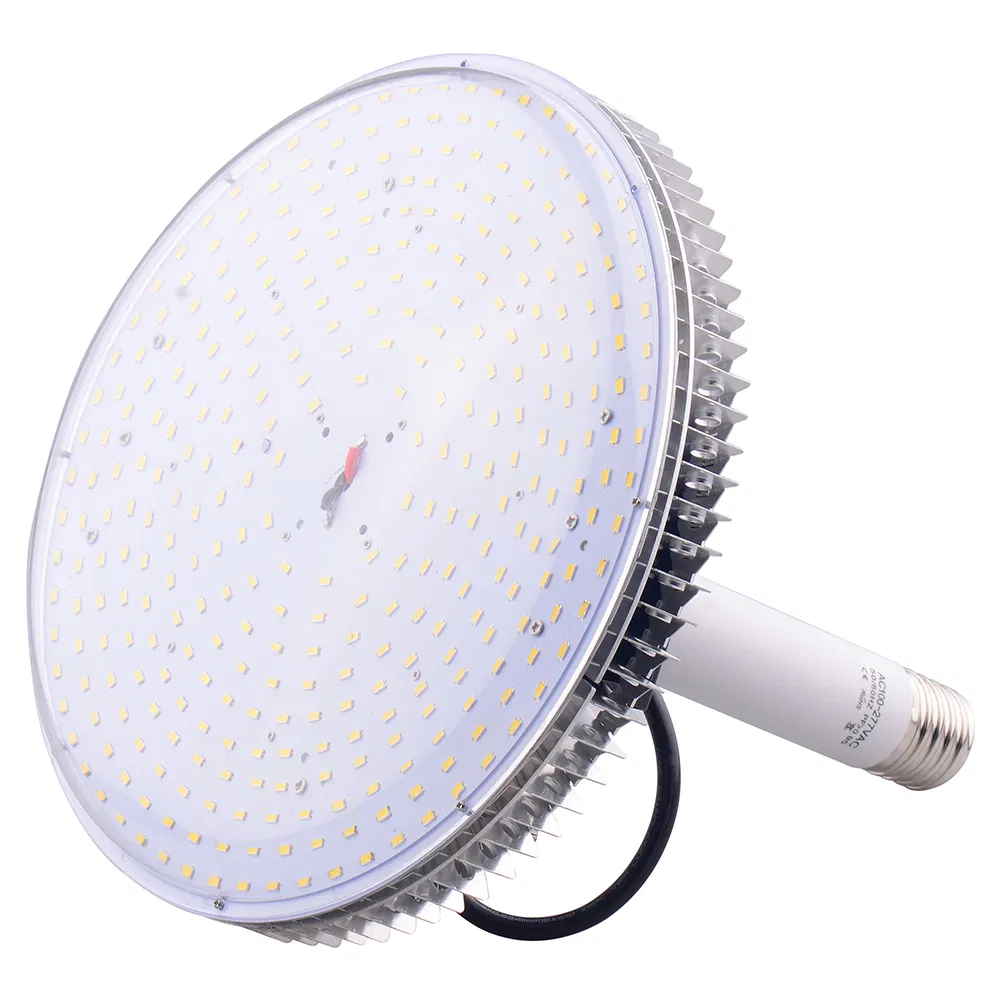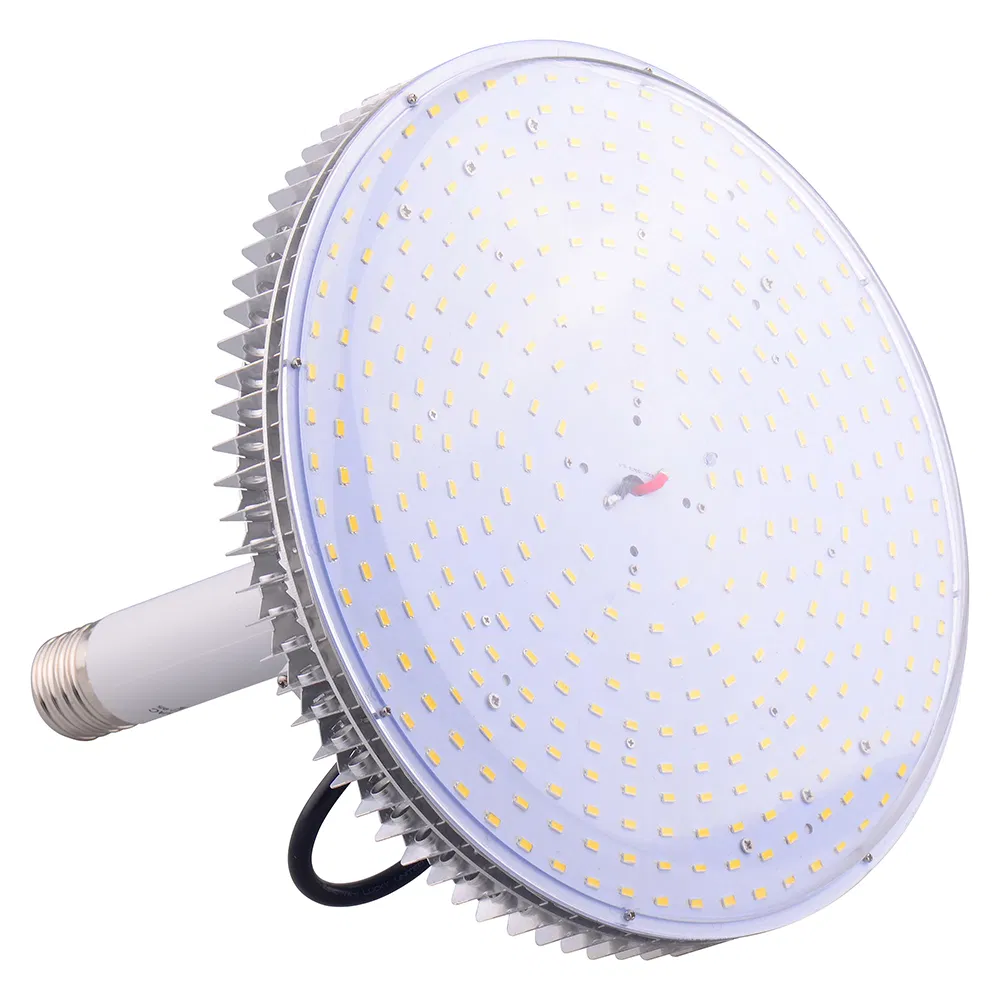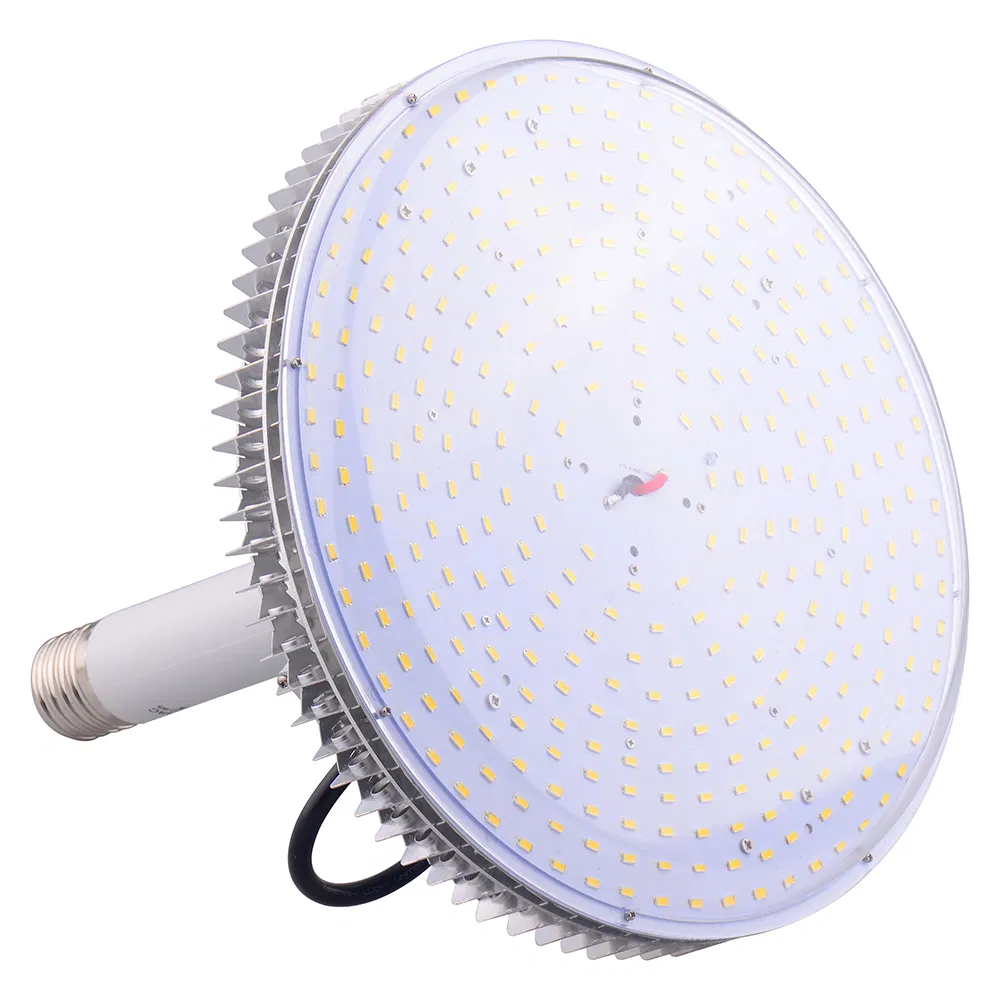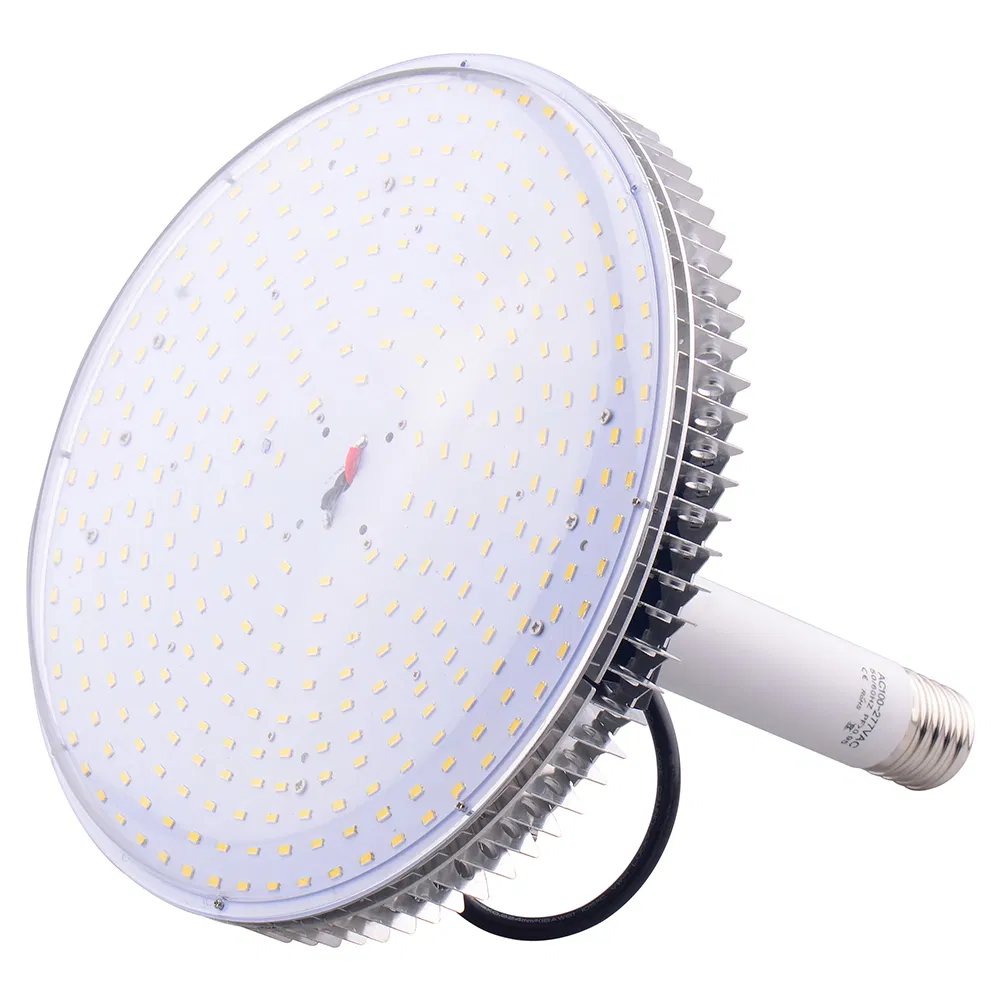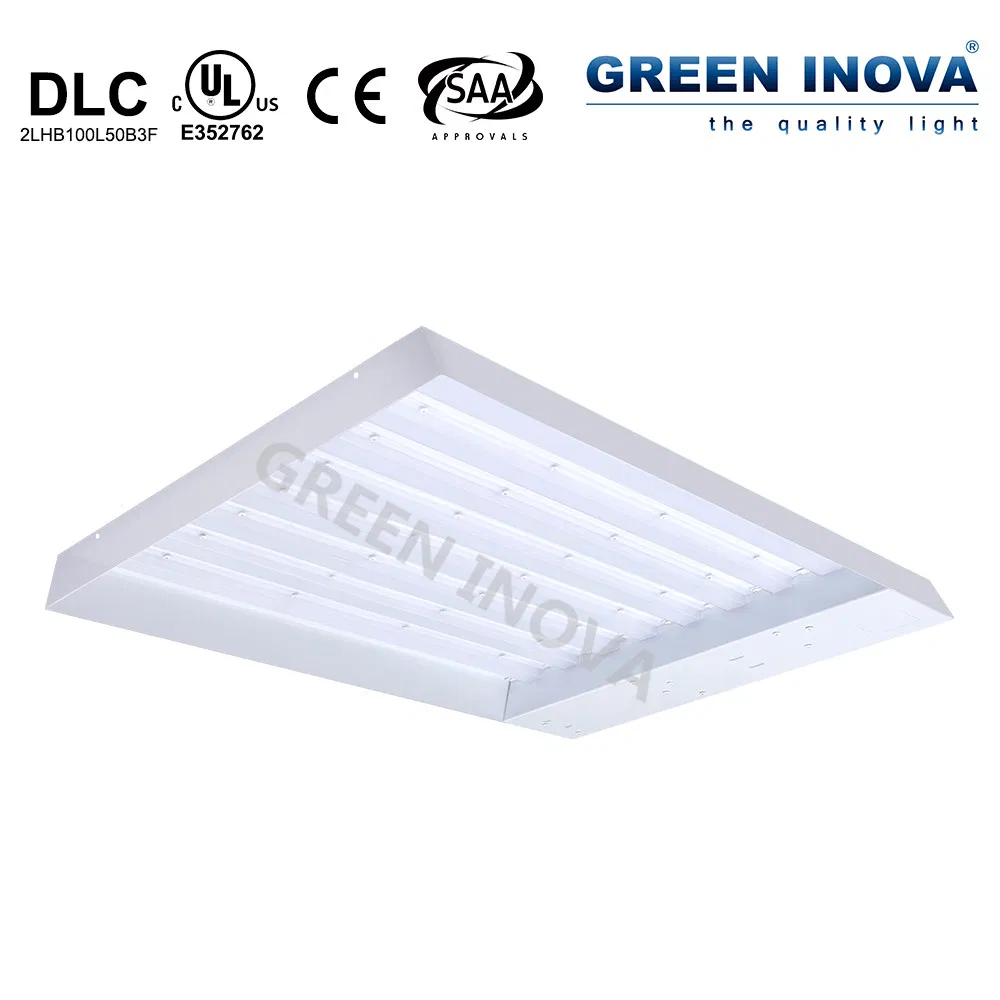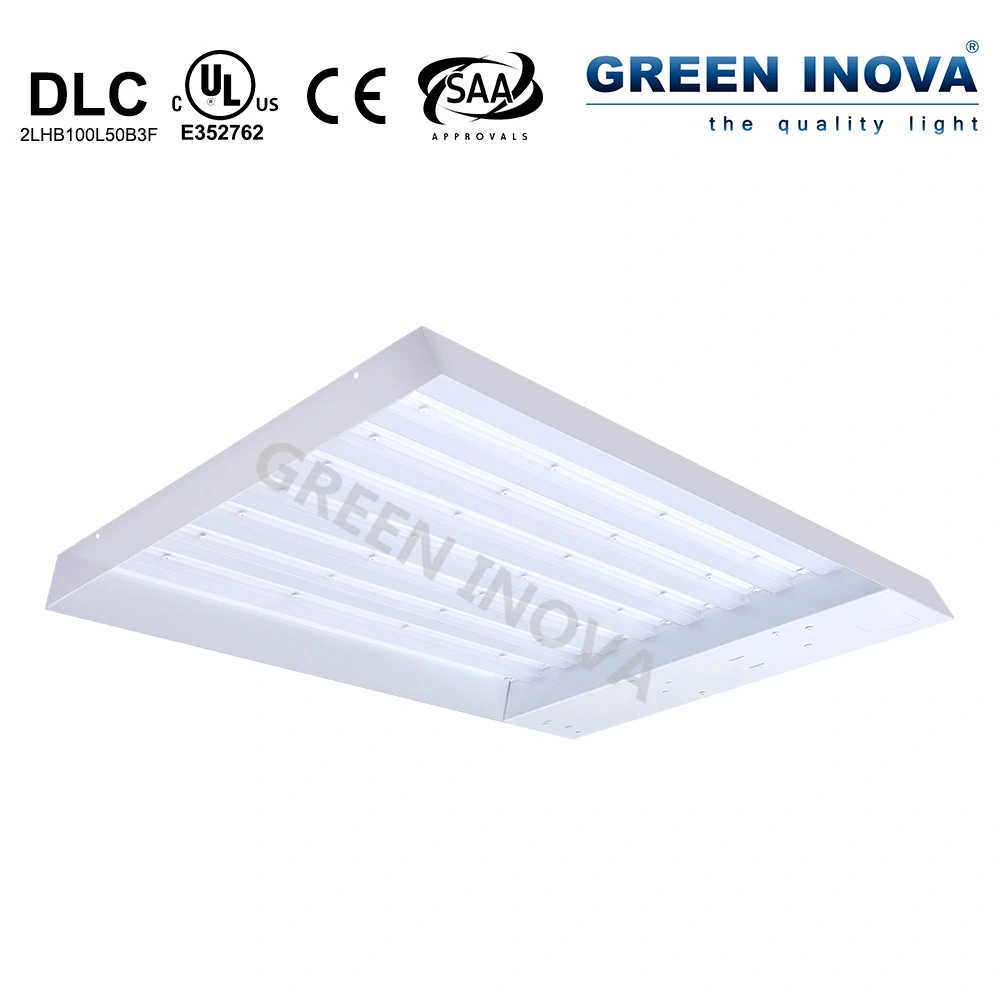

LED High Bay Light
What is an LED High Bay Light?
An LED High Bay Light is a specialized lighting fixture engineered to deliver powerful, uniform illumination in large, open spaces with high ceilings, typically ranging from 15 feet to over 50 feet. These fixtures are the modern, energy-efficient successors to traditional metal halide (MH) or high-pressure sodium (HPS) high bay lights. By utilizing Light Emitting Diode (LED) technology, they provide superior light quality, drastically lower energy consumption, and significantly reduced maintenance costs, making them the go-to choice for industrial and commercial environments.
Key Advantages of Upgrading to LED High Bay Lights
Switching to LED high bay lighting from legacy technologies offers a compelling return on investment. Here are the primary benefits:
- Exceptional Energy Efficiency: LEDs convert a much higher percentage of electrical energy into visible light, consuming up to 60-80% less energy than HID fixtures for the same or greater light output.
- Superior Lifespan & Durability: With an average rated life of 50,000 to 100,000+ hours, LED high bays drastically reduce the frequency and cost of replacements. They are also solid-state lights, making them highly resistant to shock, vibrations, and impact.
- Excellent Light Quality & Color Rendering: LEDs offer a wide range of color temperatures (from warm to cool white) and high Color Rendering Index (CRI) values, which means colors appear more vivid and true-to-life, enhancing safety and visual clarity.
- Instant On & Flicker-Free Operation: Unlike HID lamps that require a warm-up period, LEDs reach full brightness immediately and operate without flicker, reducing eye strain.
- Reduced Maintenance Costs: The long lifespan eliminates the need for frequent bulb changes and associated labor costs, especially in hard-to-reach areas.
- Directional Light Output: LEDs emit light in a specific direction, minimizing wasted light and allowing for more precise optical control compared to HID lamps that emit light omnidirectionally.
- Environmentally Friendly: LEDs contain no mercury or other hazardous materials, have a smaller carbon footprint due to lower energy use, and are fully recyclable.
Technical Specifications & Product Parameters
Understanding the technical parameters is crucial for selecting the right LED high bay light for your specific application. Here is a detailed breakdown of the key specifications you should evaluate.
Core Performance Metrics
- Luminous Flux (Lumens): The total quantity of visible light emitted by the fixture. For high bays, this typically ranges from 10,000 to over 50,000 lumens. More lumens equal more light output.
- Power Consumption (Watts): The electrical power the fixture uses. Modern LED high bays provide high lumen output at low wattage (e.g., 15,000 lumens from a 150W fixture).
- Luminous Efficacy (Lumens per Watt, lm/W): A critical measure of efficiency. It indicates how many lumens are produced per watt of energy consumed. High-quality fixtures from lights-lighting.com achieve efficacies of 130-150 lm/W or higher.
- Color Temperature (CCT - Correlated Color Temperature): Measured in Kelvins (K), this describes the color appearance of the light.
- 3000K-4000K: Warm to Neutral White – Often preferred for workshops or retail backrooms.
- 5000K-6000K: Cool White/Daylight – Most common for industrial settings (warehouses, manufacturing) as it promotes alertness and visual acuity.
- Color Rendering Index (CRI Ra): On a scale of 0-100, this measures the light's ability to reveal the true colors of objects compared to natural light. A CRI of 80+ is good; 90+ is excellent for detailed tasks.
- Beam Angle: The angle at which light is distributed. A narrower beam (e.g., 60°) creates a more focused, intense pool of light, while a wider beam (e.g., 120°) provides more diffuse, even coverage.
Physical & Electrical Specifications
- Input Voltage (V): Common options include 100-277V AC (universal voltage) or 347-480V AC for commercial/industrial applications, allowing for easy retrofitting.
- Dimming Capability: Many models are compatible with 0-10V, DALI, or PWM dimming systems for dynamic energy savings and lighting control.
- Ingress Protection (IP Rating): Indicates protection against solids and liquids.
- IP65: Dust-tight and protected against low-pressure water jets. Ideal for damp or dusty environments like car washes or food processing.
- IP66: Protected against powerful water jets.
- IK Rating (Impact Resistance): Rates the enclosure's protection against mechanical impacts. IK08 or IK10 is standard for robust industrial fixtures.
- Housing Material: Typically high-grade die-cast aluminum or aluminum alloy for optimal heat dissipation (thermal management) and durability.
- Lens/Diffuser Material: Tempered glass or high-quality PC/PMMA for clarity, impact resistance, and optimal light transmission.
- Thermal Management: Advanced heat sink design is crucial for maintaining LED performance and longevity by effectively dissipating heat.
LED High Bay Light Comparison Table
| Model (Example) | Power (W) | Lumens (lm) | Efficacy (lm/W) | CCT (K) | CRI | Beam Angle | IP Rating | Typical Application |
|---|---|---|---|---|---|---|---|---|
| lights-lighting.com Pro 150W | 150 | 22,500 | 150 | 5000K | 80+ | 120° | IP65 | General Warehouse, Distribution Center |
| lights-lighting.com Ultra 200W | 200 | 30,000 | 150 | 4000K / 5000K | 90+ | 90° | IP66 | Manufacturing Floor, Automotive Shop |
| lights-lighting.com Hazard 180W | 180 | 25,200 | 140 | 5000K | 80+ | 60° / 90° | IP65 / Explosion-Proof Option | Cold Storage, Hazardous Location |
| lights-lighting.com UFO 120W | 120 | 18,000 | 150 | 5000K | 80+ | 60° / 90° / 120° | IP65 | Retail Store, Gymnasium, Lower Ceilings (15-25 ft) |
Applications of LED High Bay Lighting
The versatility of LED high bay lights makes them suitable for a vast array of commercial and industrial settings:
- Warehouses & Distribution Centers: Provides bright, uniform light for loading docks, storage aisles, and packing areas, improving safety and efficiency.
- Manufacturing & Assembly Plants: High-CRI options ensure accurate color identification and detail work, reducing errors.
- Gymnasiums & Sports Arenas: Delivers consistent, flicker-free illumination for both recreational and professional sports.
- Airplane Hangars & Maintenance Bays: Robust construction and high output are ideal for large-scale vehicle maintenance.
- Agricultural Buildings: Used in greenhouses, poultry houses, and dairy barns, often with specific spectra to promote plant or animal growth.
- Retail Big-Box Stores & Supermarkets: Enhances product appearance and creates a pleasant shopping environment.
- Cold Storage & Freezer Rooms: Specially designed fixtures with cold-temperature drivers that perform reliably in sub-zero environments.
LED High Bay Light: Frequently Asked Questions (FAQ)
General & Technical Questions
Q: How do I choose the right wattage for my space?
A: Wattage alone isn't the best guide. Focus on required lumens (light output). Key factors include ceiling height, floor area, desired light level (measured in foot-candles or lux), room reflectance, and the specific tasks performed. Use a lighting layout calculator or consult with a lighting specialist from lights-lighting.com. As a very rough starting point, a 150W LED high bay might replace a 400W metal halide in many applications.
Q: What is the difference between a UFO High Bay and a Linear High Bay?
A: UFO (round) high bays are typically point-source lights ideal for focused, downlighting in spaces with ceiling heights of 15-30 feet. Linear high bays distribute light more evenly along their length, reducing shadows and glare, making them excellent for aisles and workbenches in spaces with ceilings 20 feet and higher. The choice depends on your ceiling structure and desired light distribution pattern.
Q: Can I directly replace my old HID fixture with an LED high bay?
A: In most cases, yes, via a "retrofit" installation. Many LED high bays from lights-lighting.com are designed for easy mounting onto existing HID hooks or brackets. The most critical check is the electrical compatibility: ensure the new LED's voltage range matches your supply (e.g., a 100-277V fixture works on common 120V or 277V circuits). Always consult the product specifications and consider hiring a qualified electrician.
Q: Why is thermal management so important in an LED fixture?
A: While LEDs produce very little radiant heat, the electronic components (drivers, chips) do generate heat. Excessive heat buildup is the primary enemy of LED longevity and light output (lumen maintenance). High-quality fixtures feature engineered aluminum heat sinks that actively draw heat away from the LED chips, ensuring they operate at optimal temperatures for 50,000+ hours.
Installation & Performance Questions
Q: What mounting options are available?
A: The three primary methods are: 1) Pendant Mount: Suspended by chains or cables from the ceiling, allowing height adjustment. 2) Surface Mount: Directly attached to a junction box or flat surface. 3) Trunnion (Yoke) Mount: Mounted on a swivel bracket, allowing the light angle to be tilted, which is useful for high-ceiling applications to aim light precisely.
Q: Do LED high bay lights require a special ballast or driver?
A: No external ballast is needed. LED high bays have an integrated, internal LED driver (similar to a ballast but for LEDs) that converts AC power to the low-voltage DC power required by the LEDs. The quality and design of this driver are paramount to the fixture's performance and lifespan. lights-lighting.com uses high-efficiency, long-life drivers in all products.
Q: What does "Dimmable" mean for an LED high bay?
A: Dimmable fixtures allow you to reduce the light output (and energy consumption) based on occupancy, daylight availability, or task requirements. Compatibility is key: ensure the fixture's dimming protocol (0-10V, DALI, etc.) matches your existing dimming controls. Not all models are dimmable, so check the product details.
Q: How is the lifespan of an LED high bay light defined?
A> The rated lifespan (e.g., L70 @ 50,000 hours) is not the point at which the light completely fails. It is the number of operating hours at which the fixture's light output is projected to depreciate to 70% of its initial lumens. This is known as "Lumen Maintenance." A high-quality light will still operate well beyond this point, albeit at reduced output.
Cost & ROI Questions
Q: Are LED high bay lights really worth the upfront investment?
A> Absolutely. While the initial purchase price may be higher than traditional lighting, the Total Cost of Ownership (TCO) is significantly lower. Savings come from: 1) Energy Savings: 60-80% reduction in electricity bills. 2) Maintenance Savings: Virtually no replacement costs for 5-10+ years. 3) Rebates & Incentives: Many utility companies offer substantial rebates for upgrading to high-efficiency LED lighting. The payback period is often between 1-3 years.
Q: Does lights-lighting.com offer a warranty on their LED high bay lights?
A> Yes. lights-lighting.com stands behind the quality and durability of its products. Standard warranties typically range from 5 years to 10 years, covering defects in materials and workmanship, as well as guaranteeing a minimum level of lumen output over the warranty period. Always refer to the specific warranty terms for each product model.
Q: How do I calculate my potential energy savings?
A> A basic formula is: (Old Fixture Wattage - New LED Wattage) x Number of Fixtures x Hours of Operation per Year x Electricity Rate ($/kWh). For example, replacing ten 400W MH fixtures (455W with ballast) with ten 150W LED fixtures: (455W - 150W) = 305W saved per fixture. 305W x 10 fixtures x 4,000 hours/year = 12,200 kWh saved annually. At $0.12/kWh, that's $1,464 saved per year, not including reduced cooling costs and lamp replacement labor.
- View as