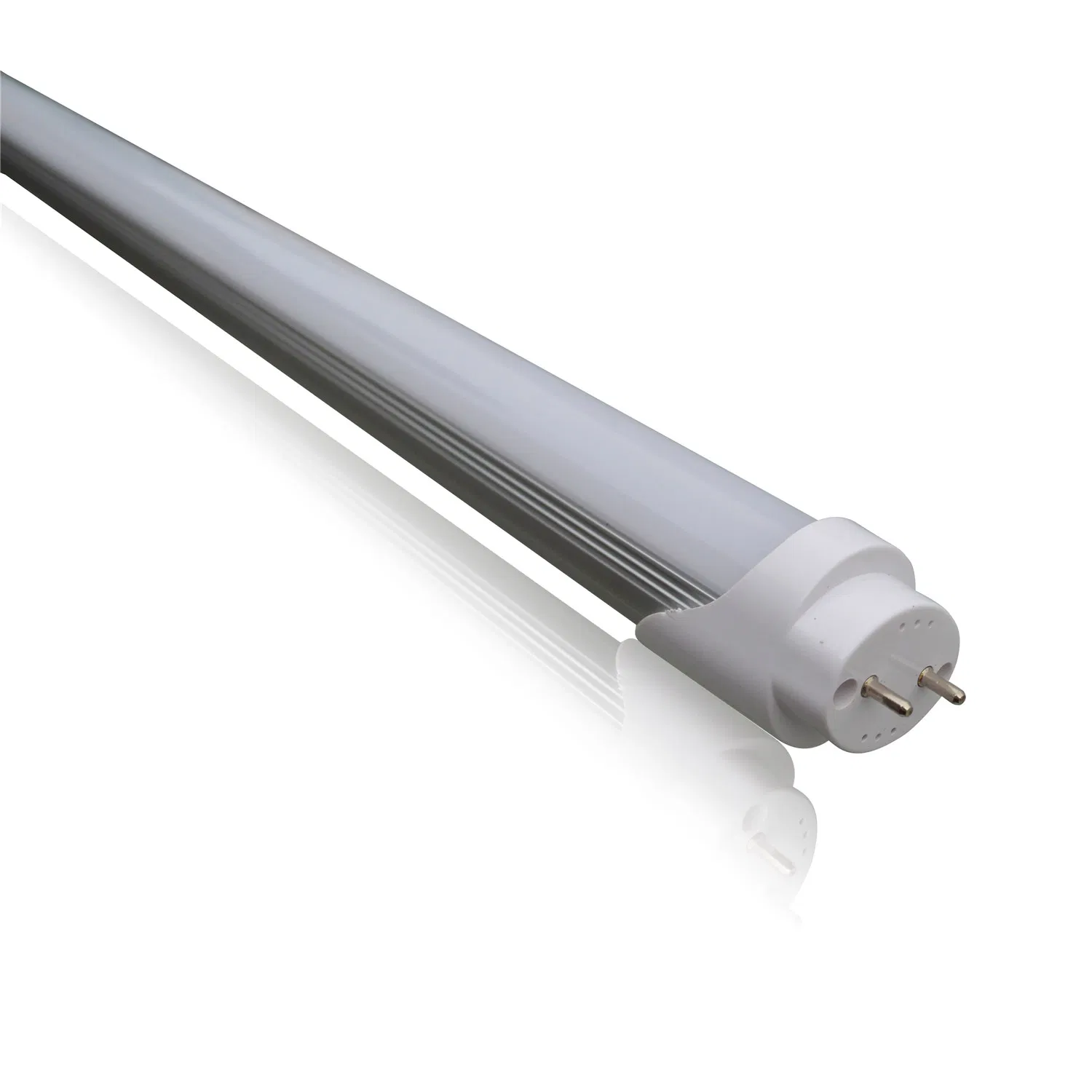

The Complete Guide to Advanced LED Tube Lights for Modern Spaces
In today's market, upgrading to LED tube lighting represents one of the most impactful decisions for enhancing energy efficiency, reducing operational costs, and improving light quality. As a cornerstone of commercial, industrial, and residential lighting retrofits, the modern LED tube offers unparalleled performance and longevity compared to traditional fluorescent technology. At lights-lighting.com, we specialize in providing high-performance LED lighting solutions engineered for reliability and maximum return on investment. This guide delves into the critical specifications, benefits, and considerations for selecting the right LED tube for your application.
Why Choose LED Tubes Over Fluorescent Lighting?
The shift from fluorescent to LED tube lights is driven by substantial technical and economic advantages. Fluorescent tubes, including T8 and T12 models, are inherently inefficient, losing a significant amount of energy as heat and containing hazardous materials like mercury. LED tubes address these shortcomings directly:
- Superior Energy Efficiency: LED tubes consume 40-60% less energy than fluorescent equivalents for the same or greater light output, leading to immediate savings on electricity bills.
- Exceptional Lifespan: With a typical rated life of 50,000 hours or more, LED tubes last 3-5 times longer than fluorescent tubes, drastically reducing maintenance and replacement costs.
- Instantaneous Operation: LEDs provide full brightness immediately upon switching on, with no flicker or warm-up time, enhancing user comfort and safety.
- Durability & Robustness: LED tubes are solid-state lighting devices with no fragile glass components or filaments, making them highly resistant to shock, vibration, and frequent switching.
- Environmental Safety: LEDs contain no mercury or other toxic gases, making their disposal safer and less harmful to the environment.
Detailed Product Specifications & Technical Data
Selecting the correct LED tube requires a clear understanding of its technical parameters. Below is a comprehensive breakdown of the key specifications for our premium series available at lights-lighting.com.
Key Parameters at a Glance
- Model Series: LL-T8-ULTRA, LL-T5-HIGH OUTPUT
- Input Voltage: Universal AC 100-277V / 120-347V (Suitable for most global markets)
- Power Consumption: Ranges from 10W to 25W, replacing traditional 18W to 40W fluorescent tubes.
- Lumen Output: From 1100 lumens to 2600 lumens, ensuring bright and even illumination.
- Color Temperature (CCT): Available in 3000K (Warm White), 4000K (Cool White), and 5000K (Daylight).
- Color Rendering Index (CRI): >80 (Standard) and >90 (High CRI for critical color-accurate environments).
- Beam Angle: 120° or 220° (for wraparound lenses providing wide, even distribution).
- Dimensions (Length): 2ft (600mm), 4ft (1200mm), 5ft (1500mm), 8ft (2400mm).
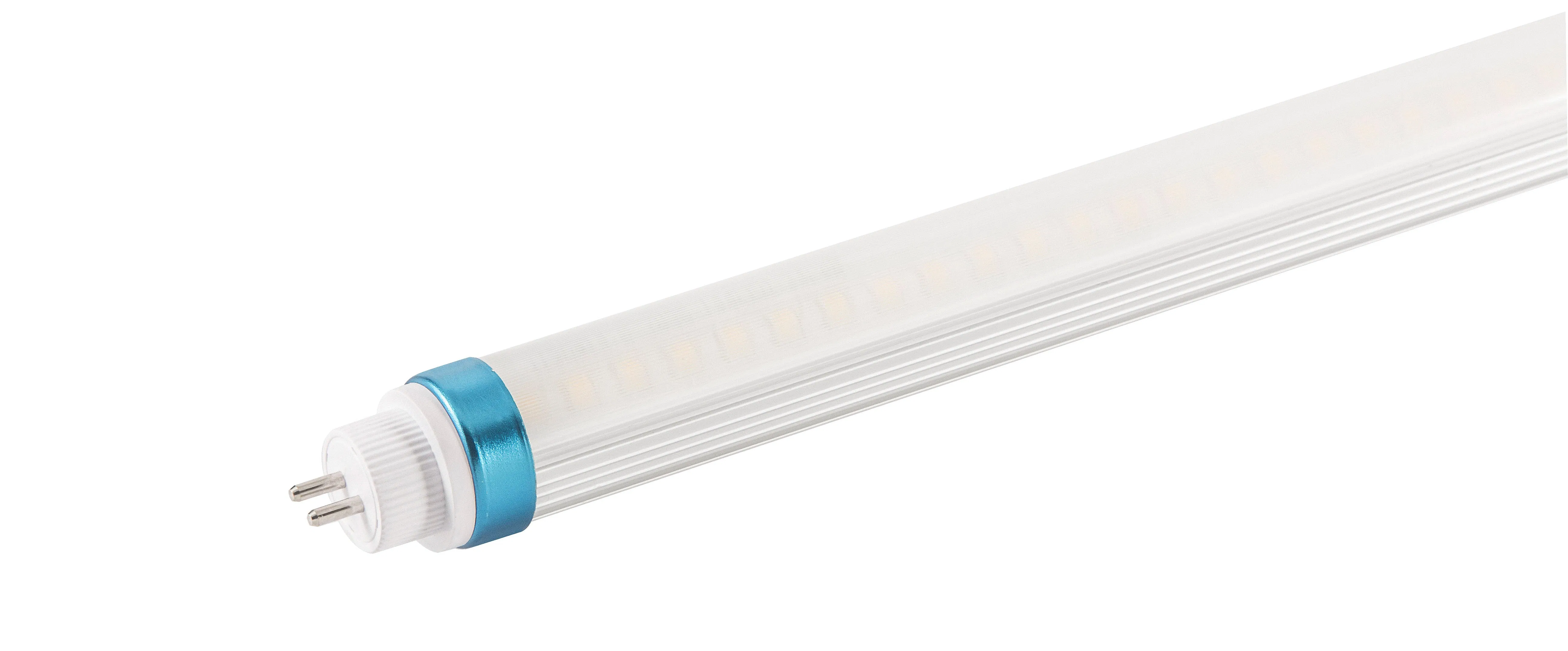
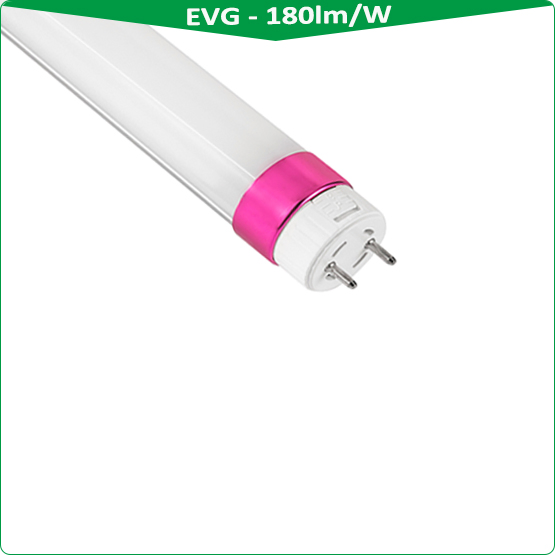
- Base Type: G13 (for T8/T12 replacements), G5 (for T5 replacements).
- Dimmable Options: Yes, with compatible LED drivers and dimming systems (0-10V, TRIAC).
- Certifications: UL Listed, DLC Premium, CE, RoHS, ENERGY STAR®.
- Warranty: 5-Year Comprehensive Warranty from lights-lighting.com.
Performance Comparison Table
| Feature | Traditional Fluorescent T8 Tube (32W) | Standard LED Tube Replacement (16W) | Premium lights-lighting.com LED Tube (16W, DLC Premium) |
|---|---|---|---|
| Power Consumption | 32 Watts | 16 Watts | 16 Watts |
| Luminous Flux (Light Output) | ~2,800 Lumens | ~1,800 Lumens | ~2,200 Lumens (Higher Efficiency) |
| Estimated Annual Energy Cost* | $11.68 | $5.84 | $5.84 |
| Lifespan (Hours) | 15,000 | 30,000 | 50,000+ |
| Energy Savings | Baseline (0%) | ~50% | ~50% (with 20% more light) |
| Start Time / Flicker | Slow start, may flicker | Instant, minimal flicker | Instant, flicker-free |
| Mercury Content | Yes | No | No |
*Calculation based on 12 hours daily use, 365 days/year, at $0.10 per kWh. Costs are illustrative.
Installation Types: Ballast Bypass vs. Plug-and-Play
A critical decision when upgrading is the installation method. Our products at lights-lighting.com cater to both primary approaches:
- Type A (Plug-and-Play/ Ballast Compatible): These LED tubes are designed to work directly with the existing electronic ballast in your fixture. Installation is simple—just replace the old fluorescent tube with the new LED tube. This is a quick retrofit but depends on the health and compatibility of the old ballast.
- Type B (Ballast Bypass/ Direct Wire): This method involves removing the old magnetic or electronic ballast and wiring the line voltage directly to the lamp holders. The LED tube then operates on the main power supply via its internal driver. This is the most efficient and reliable method, eliminating ballast failure points and maximizing energy savings. It is highly recommended for long-term installations.
- Type A/B (Hybrid): Versatile tubes that can operate in either mode, offering flexibility for different retrofit scenarios.
Recommendation from lights-lighting.com: For new installations or large-scale retrofits, we typically recommend the Type B (Direct Wire) method for its superior reliability, full energy savings, and elimination of future ballast maintenance.
Frequently Asked Questions (FAQ) About LED Tubes
Q: Can I simply replace my old fluorescent tube with an LED tube without changing the fixture?
A: In many cases, yes, but careful consideration is needed. If you choose a Type A (Plug-and-Play) LED tube that is compatible with your fixture's existing ballast, the swap is direct. However, if your ballast is old, magnetic (not electronic), or incompatible, it may fail or cause the LED tube to malfunction. For a guaranteed, efficient, and long-lasting solution, a Type B (Direct Wire) installation is best. Always check the product specifications from lights-lighting.com or consult with an electrician.
Q: What is the difference between T8, T5, and T12 LED tubes?
A: The "T" stands for "Tubular," and the number indicates the diameter of the tube in eighths of an inch. A T8 tube is 8/8ths (1 inch) in diameter, a T5 is 5/8ths of an inch, and a T12 is 12/8ths (1.5 inches). Modern T8 and T5 are the most common. An LED tube is designed to physically fit into the fixture of its corresponding type (e.g., a T8 LED tube replaces a T8 fluorescent tube). The smaller T5 tubes often use a G5 base, while T8/T12 tubes use a G13 base.
Q: Do LED tubes work in enclosed fixtures or in cold environments?
A: This depends on the specific product's design. Standard LED tubes may have reduced lifespan if overheated in a fully enclosed fixture. At lights-lighting.com, we offer models specifically rated for enclosed fixtures, which have enhanced thermal management. Regarding cold environments, LEDs actually perform exceptionally well in low temperatures, starting instantly and maintaining light output, unlike fluorescent tubes which can struggle to start and provide reduced output in the cold.
Q: What does "Dimmable" mean for an LED tube, and how do I achieve dimming?
A: A dimmable LED tube allows you to adjust its light output from full brightness down to a lower level. Not all LED tubes are dimmable, so you must verify this feature in the product specs. To dim an LED tube, you need three compatible components: 1) The dimmable LED tube itself, 2) A compatible LED driver or power supply (especially for Type B installations), and 3) A compatible dimmer switch (common types are 0-10V, TRIAC/leading-edge, or ELV/trailing-edge). Using incompatible parts can lead to poor performance, flickering, or damage.
Q: How significant are the energy savings with LED tubes from lights-lighting.com?
A: The savings are substantial and calculable. For example, replacing a traditional 32W fluorescent tube with a 16W LED tube from our premium series cuts energy use in half. For a commercial facility with 1,000 tubes operating 12 hours a day, this translates to nearly 70,000 kWh of savings annually. At an average commercial electricity rate, this can mean over $7,000 in cost savings every year, with a return on investment often achieved in less than 18 months through reduced energy and maintenance expenses.
Q: What certifications should I look for when purchasing LED tubes?
A: Reputable certifications ensure safety, performance, and reliability. Key certifications include:
- UL Listing (US) or ETL: Indicates the product has been tested for electrical safety.
- DLC (DesignLights Consortium) Premium: A crucial certification for commercial projects in North America, verifying high efficiency and quality for utility rebate eligibility.
- ENERGY STAR: Certifies energy efficiency and performance metrics.
- RoHS: Confirms the product is free of specific hazardous substances like lead and mercury.
Selecting the Right LED Tube: Application-Based Advice
Choosing the optimal LED tube involves matching the product's characteristics to the environment:
- Offices & Classrooms: Prioritize high CRI (>80) and a 4000K color temperature to promote alertness and reduce eye strain. Consider dimmable options for flexibility.
- Warehouses & Industrial Facilities: Focus on high lumen output (brightness), durability, and a 5000K daylight temperature for clear visibility. Ensure the product is suitable for high-bay fixtures if applicable.
- Retail & Display Areas: Select High CRI (>90) tubes with excellent color rendering to make products appear vibrant and true-to-life. Warm white (3000K) may be suitable for creating a welcoming ambiance.
- Parking Garages & Cold Storage: Choose LED tubes explicitly rated for cold temperatures and, for garages, ensure they are suitable for damp locations if exposed.
The team at lights-lighting.com is dedicated to supporting you through this selection process, providing technical data sheets, photometric reports, and application guidance to ensure your lighting project achieves its goals for efficiency, comfort, and cost savings.