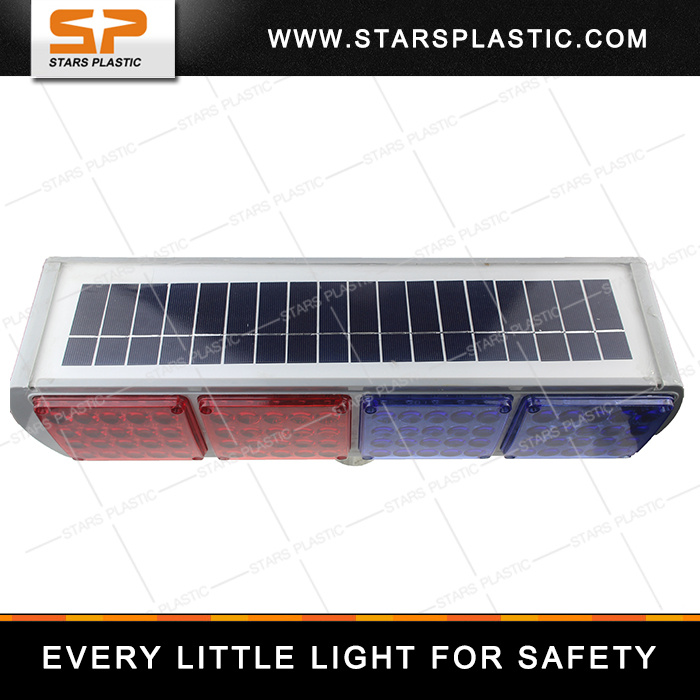

LED Traffic Light
Enhancing Road Safety and Efficiency with Modern LED Traffic Control Systems
In the realm of intelligent transportation infrastructure, the evolution from incandescent and halogen-based signals to solid-state lighting represents a monumental leap forward. LED Traffic Light systems are now the global standard, offering unparalleled reliability, visibility, and cost-effectiveness. As a cornerstone of urban planning and road safety, selecting the right LED traffic signal is paramount for municipalities, contractors, and traffic management authorities. At lights-lighting.com, we combine two decades of industry expertise with cutting-edge manufacturing to deliver robust, compliant, and high-performance traffic control solutions engineered for the demands of modern roadways.
The core advantage of LED technology lies in its semiconductor-based illumination. Unlike traditional bulbs that use a filament, LEDs produce light through electroluminescence, resulting in immediate, intense, and consistent output. This fundamental difference translates into critical on-road benefits: enhanced visibility for drivers in all weather conditions, significant reductions in energy consumption and operational costs, and a dramatically extended service life that minimizes maintenance interventions and associated traffic disruptions.
Technical Specifications and Product Parameters
Our LED traffic signals at lights-lighting.com are meticulously designed to meet and exceed international standards such as ITE, EN12368, and AUS/NZS 2144. Each component is selected for durability and performance in harsh environmental conditions.
Key Specifications Overview
- Light Source: High-intensity, food-grade epoxy encapsulated LED clusters.
- Lens Material: Polycarbonate or high-impact acrylic, UV-stabilized for color fidelity.
- Housing: Die-cast aluminum or high-grade polycarbonate, with powder-coated finish for corrosion resistance.
- Optical Design: Fresnel lens pattern for uniform chromaticity and superior viewing angles (typically ≥30°).
- Ingress Protection: Rated IP65 or higher, ensuring complete protection against dust and water jets.
- Operating Voltage: Wide range input (85-305V AC) or low-voltage DC options for solar applications.
- Power Consumption: Drastically lower than incandescent units, typically 8-15 Watts per signal head compared to 100-150W.
- Operating Temperature: -40°C to +74°C (-40°F to +165°F).
- Expected Lifespan: >80,000 hours (approximately 10 years of continuous operation).
Detailed Product Configuration Table
| Model Code | Lens Diameter | Color | LED Count & Type | Luminous Intensity (Min.) | Compliance | Typical Application |
|---|---|---|---|---|---|---|
| LL-TL-200R | 200mm / 8" | Red | ≥100 pcs, High-Intensity Red | ≥400 cd | ITE, EN12368 | Standard Intersection Stop Signal |
| LL-TL-300Y | 300mm / 12" | Yellow/Amber | ≥140 pcs, High-Intensity Amber | ≥300 cd | ITE, EN12368, AUS/NZS | Major Arterial Road Caution Signal |
| LL-TL-200G | 200mm / 8" | Green | ≥100 pcs, High-Intensity Green | ≥400 cd | ITE, EN12368 | Standard Intersection Go Signal |
| LL-TL-300A | 300mm / 12" | Red Amber Green (Arrow) | ≥150 pcs per color, Pixelated Cluster | ≥350 cd | ITE, MUTCD | Dedicated Turn Lanes |
| LL-TL-PED | Variable | Walk/Don't Walk (Symbol) | ≥200 pcs, High-Resolution Matrix | ≥200 cd | MUTCD, Local Ordinances | Pedestrian Crossings |
Frequently Asked Questions (FAQ) About LED Traffic Lights
Q: How much energy can I save by switching to LED traffic signals from incandescent ones?
A: The energy savings are substantial, typically between 80-90%. An incandescent traffic signal bulb often consumes 100 to 150 watts. A comparable LED traffic light module from lights-lighting.com consumes only 8 to 15 watts while delivering equal or superior luminous intensity. For an intersection with 20 signal heads, this translates to a reduction from roughly 2,500 watts to around 300 watts, leading to dramatic cost savings on electricity bills and a significantly lower carbon footprint for the municipality.
Q: Are LED traffic lights truly more reliable and longer-lasting?
A: Absolutely. Incandescent bulbs have a fragile filament susceptible to shock, vibration, and thermal stress, with an average lifespan of 8,000 hours. LED modules are solid-state devices with no moving parts or delicate filaments. The typical MTBF (Mean Time Between Failures) for a quality LED traffic signal exceeds 80,000 hours. This means less frequent bulb changes, reduced maintenance labor and vehicle costs, and improved overall intersection reliability with fewer dark signals.
Q: Do LED traffic signals perform well in extreme weather conditions like heavy rain, fog, or direct sunlight?
A: Yes, they are specifically engineered for these challenges. High-quality units from lights-lighting.com feature:
- Superior Luminance: LEDs produce brighter, more saturated colors that penetrate fog, rain, and glare more effectively than diffused incandescent light.
- Robust Housing: IP65 or IP66 rating guarantees protection against dust ingress and powerful water jets.
- Thermal Management: Advanced heat sink designs within the housing dissipate heat efficiently, preventing performance degradation in high ambient temperatures, even in direct desert sun.
- UV-Stabilized Lenses: Lenses are treated to resist yellowing or fading from prolonged UV exposure, ensuring color compliance for years.
Q: Is there a "phantom light" or "sun phantom" issue with LED traffic lights, and how is it addressed?
A: Phantom light, where sunlight reflects off the lens or housing and makes a dark signal appear illuminated, was a concern with early designs. Modern LED traffic lights mitigate this through integrated optical engineering. Our signals at lights-lighting.com utilize:
- Deep-Baffled Visors: These shield the lens from low-angle sunlight.
- Specialized Fresnel Lens Patterns: These direct the emitted light precisely toward the intended viewing zone while minimizing internal reflections.
- Non-Reflective, Matte-Finish Interior Housing: This absorbs stray light within the signal head.
- Automatic Dimming Circuits (Optional): Light sensors can automatically adjust LED brightness based on ambient light, further enhancing contrast.
Q: Can I retrofit existing traffic signal housings with LED modules, or do I need entirely new fixtures?
A: Both options are available. Most of our LED modules at lights-lighting.com are designed as "drop-in" retrofits for standard 8-inch (200mm) and 12-inch (300mm) housings. They come with universal mounting brackets and connect to the existing 120V/240V AC supply, often without needing a change to the load switch in the controller cabinet. This makes upgrading incredibly cost-effective. For new installations or severely degraded housings, we offer complete, new LED traffic light assemblies for optimal performance and longevity.
Q: How do I ensure the LED traffic lights I purchase are compliant with my local regulations?
A: Compliance is critical. Regulations like the MUTCD (USA), EN12368 (Europe), and others specify requirements for chromaticity, luminance, viewing angles, and housing durability. At lights-lighting.com, we provide detailed compliance certificates and test reports from independent laboratories with our products. We recommend you provide your supplier with your local jurisdiction's specific standards. Our technical team can then confirm which of our models are certified to meet those exact requirements, ensuring a smooth approval and installation process.
Q: What about the total cost of ownership (TCO) compared to traditional systems?
A: While the initial unit cost of an LED traffic light may be higher than an incandescent bulb, the Total Cost of Ownership is significantly lower. TCO calculation includes:
- Initial Product Cost: Higher for LED.
- Energy Cost: 80-90% lower for LED, saving thousands annually.
- Maintenance/Labor Cost: Drastically reduced due to far fewer replacements. Fewer truck rolls, less lane closure time, and lower labor expenses.
- Bulb/Module Replacement Cost: Incandescent bulbs need replacing annually or bi-annually; LED modules last a decade or more.
Over a 10-year period, an LED system from lights-lighting.com typically offers a ROI of less than 3 years, delivering substantial public savings thereafter.
Advanced Features and Smart Integration
The modern LED traffic light is more than just a light source; it's a node in an intelligent traffic network. lights-lighting.com develops solutions ready for the future of transportation.
- Countdown Timer Integration: Seamless integration of digital countdown displays for pedestrian or vehicle signals.
- Fail-Safe and Diagnostics: Modules with built-in diagnostics can report individual LED failure, allowing for predictive maintenance rather than reactive replacement.
- Adaptive Brightness Control: As mentioned, automatic dimming based on ambient light sensors optimizes visibility and saves additional energy during night hours.
- V2I (Vehicle-to-Infrastructure) Readiness: Housing designs that can accommodate embedded sensors or communication modules for connected vehicle applications.
Selecting a provider for such critical infrastructure requires trust in quality, compliance, and support. lights-lighting.com stands as a dedicated partner in traffic safety, offering not just products but a commitment to engineering excellence, detailed technical guidance, and reliable global supply. Our LED traffic light systems are an investment in safer, more efficient, and more sustainable communities.
- View as