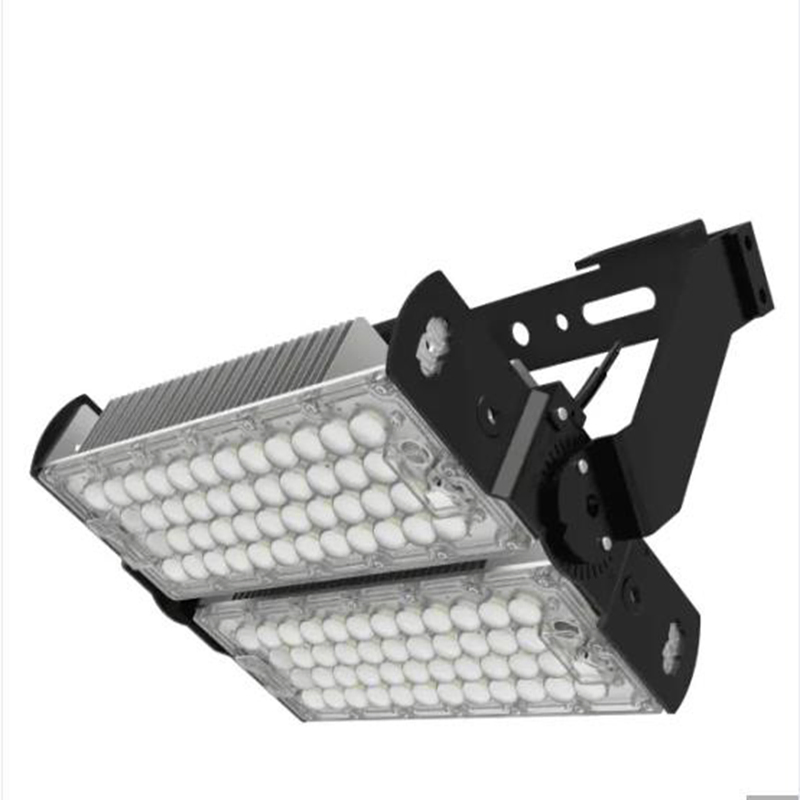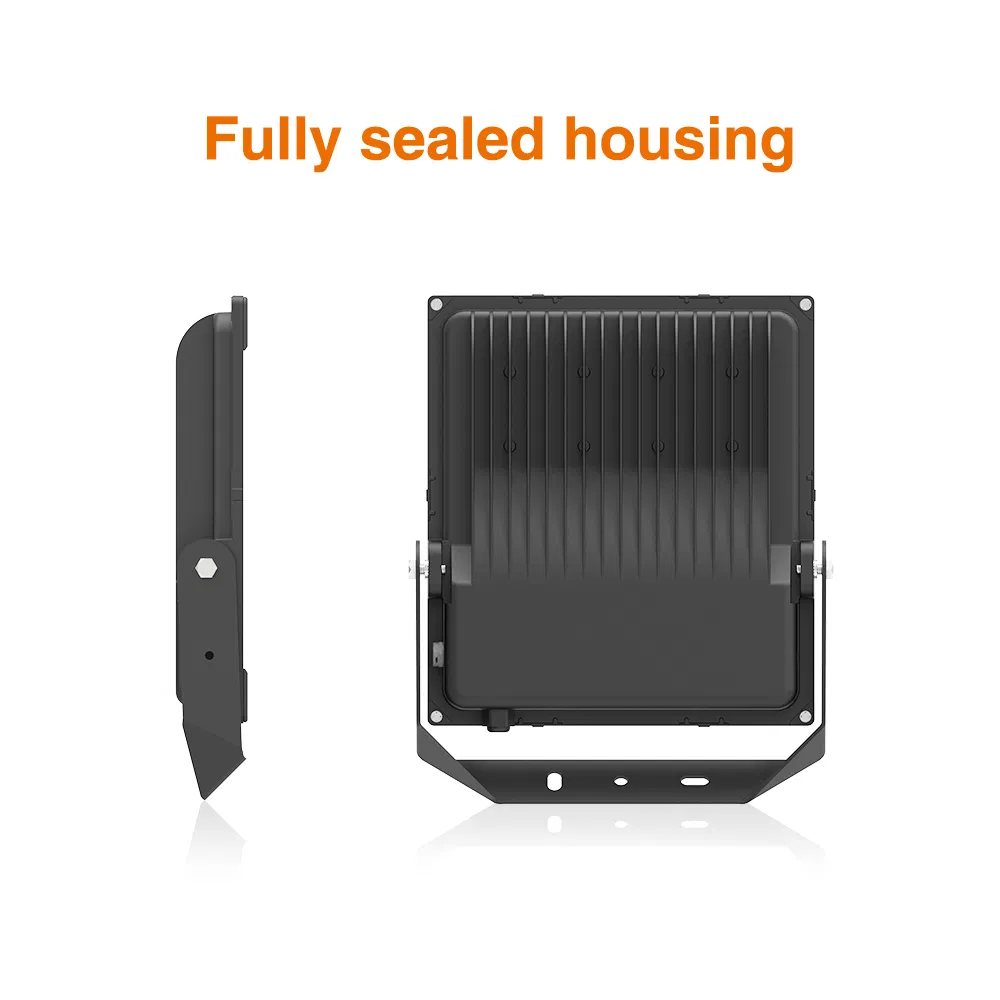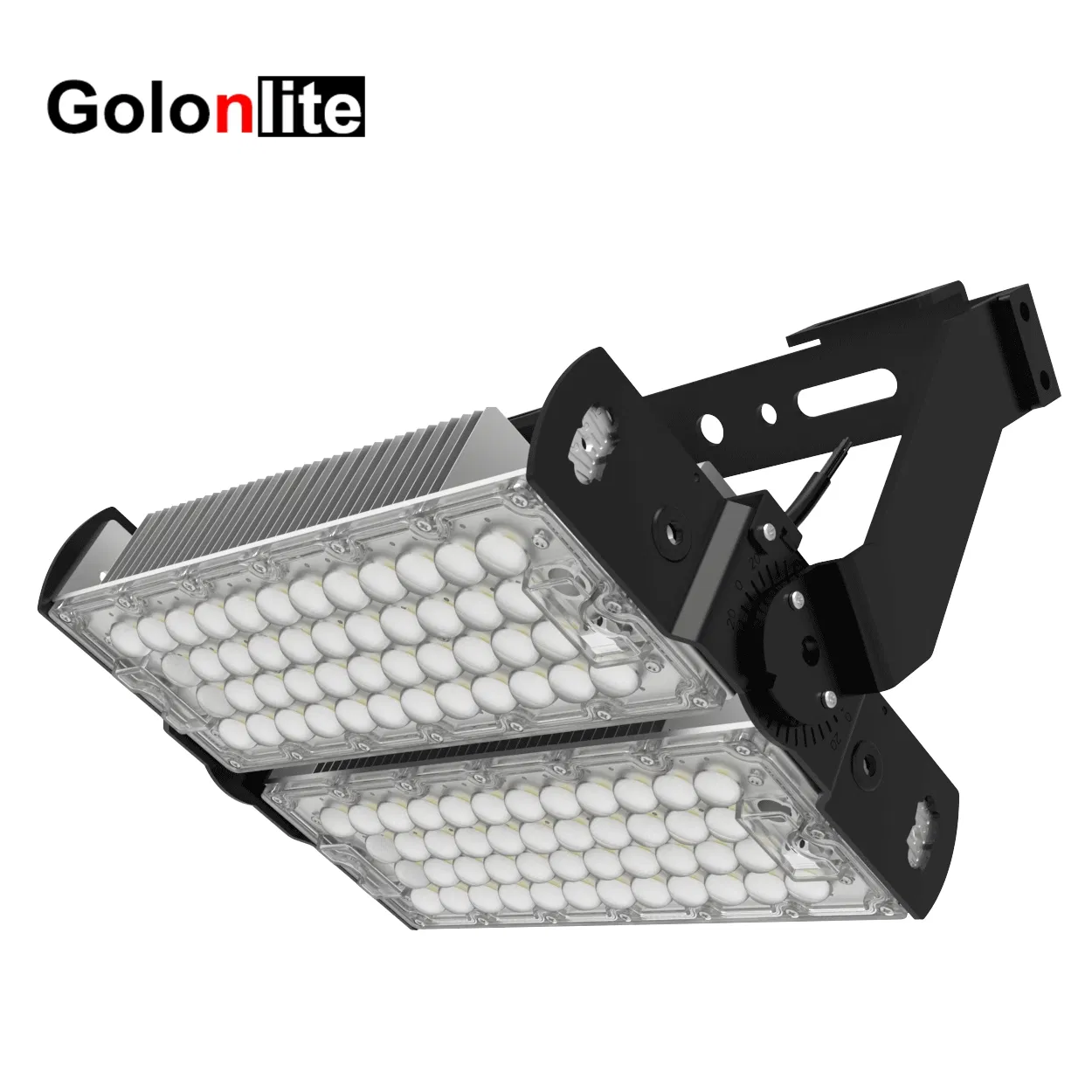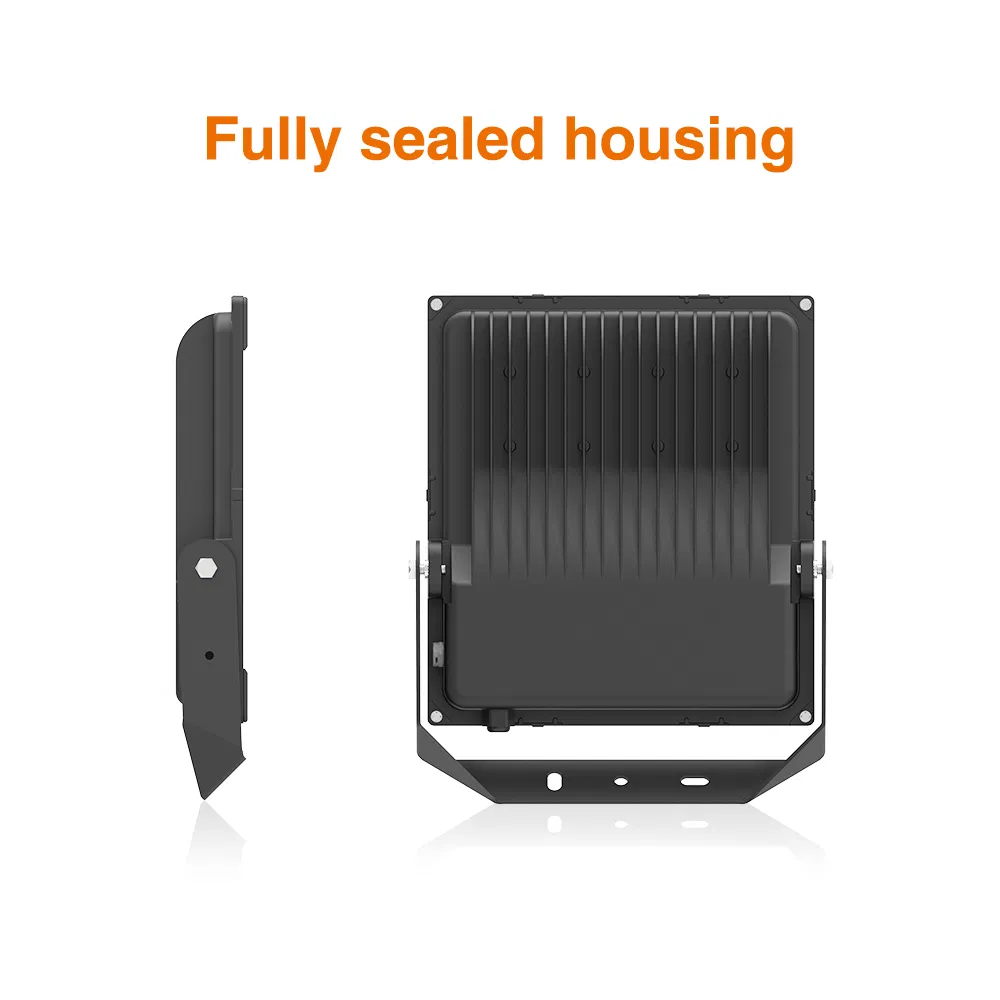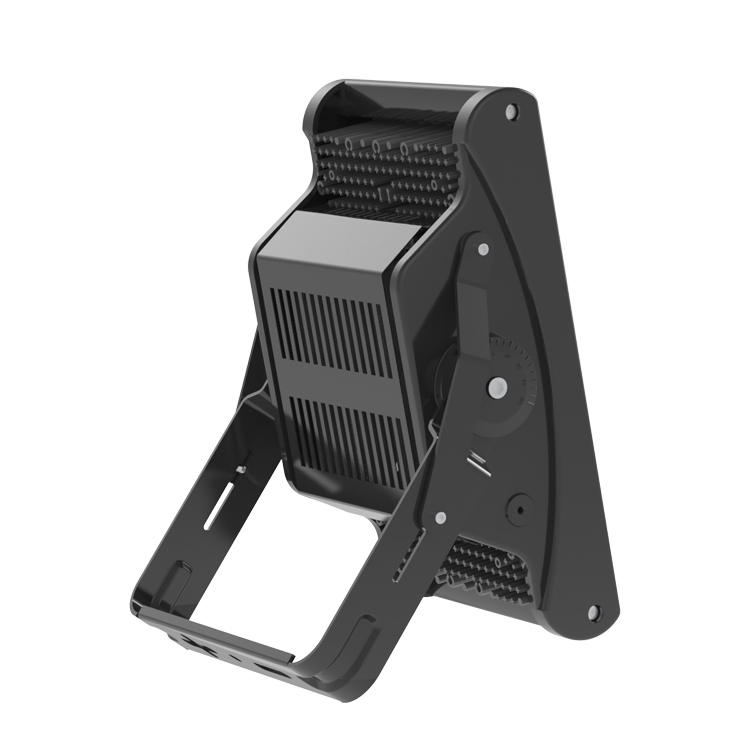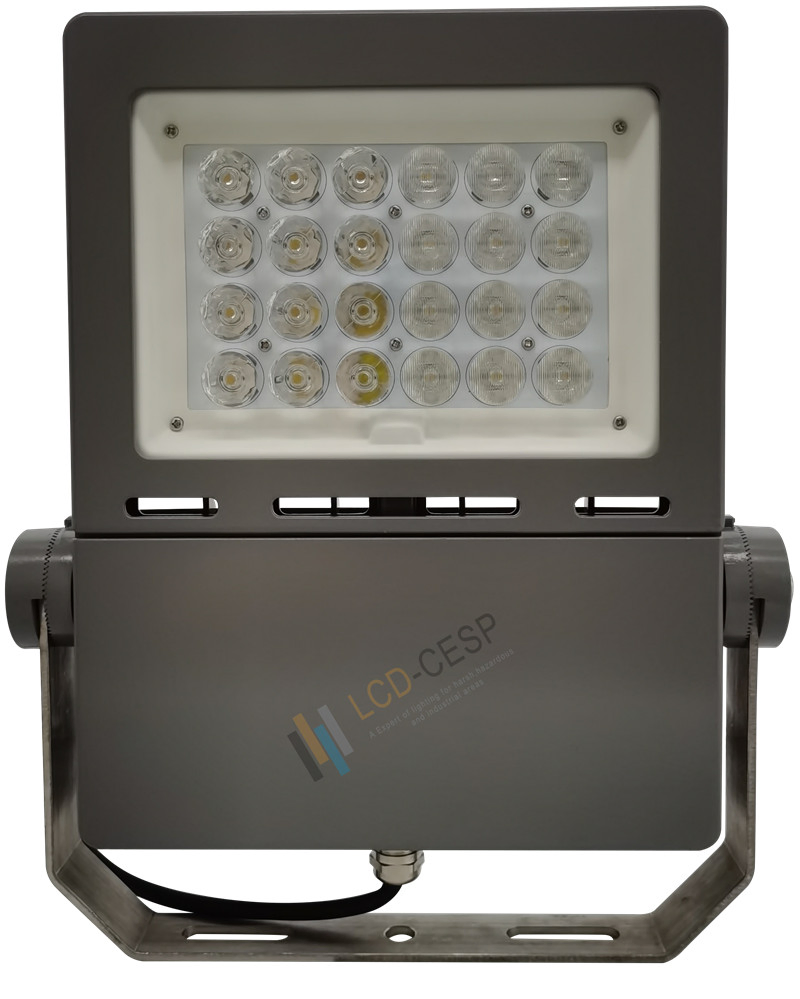

LED Floodlight
In the realm of outdoor and industrial illumination, the shift towards efficient, powerful, and durable lighting solutions has been monumental. At the forefront of this revolution is the modern LED Floodlight. As a cornerstone product for lights-lighting.com, we are committed to providing lighting that doesn’t just brighten spaces but transforms them, offering unparalleled performance, energy savings, and longevity. Whether you're securing a commercial property, illuminating a sports field, enhancing architectural features, or lighting up a backyard patio, the right LED floodlight is a critical investment. This guide delves deep into the technology, specifications, and benefits of our premium LED floodlights, designed to meet the highest professional standards.
Why Choose LED Floodlights?
Traditional lighting solutions like halogen or HID lamps are rapidly becoming obsolete. LED technology offers a quantum leap in performance. The core advantages are clear and significant:
- Exceptional Energy Efficiency: LEDs consume a fraction of the electricity required by traditional bulbs, converting more energy into light rather than heat. This can lead to utility bill reductions of 50-80%.
- Superior Lifespan: A high-quality LED floodlight can last for 50,000 hours or more. This means years of maintenance-free operation, drastically reducing replacement costs and labor.
- Enhanced Brightness & Light Quality: LEDs provide intense, consistent lumen output with excellent Color Rendering Index (CRI) values, ensuring colors appear true and vivid.
- Robust Durability: Built with solid-state components, LEDs are highly resistant to shock, vibrations, and extreme weather conditions, making them ideal for demanding outdoor and industrial environments.
- Instant On & Full Control: Unlike HID lamps that need warm-up time, LEDs provide full brightness instantly and are perfectly compatible with motion sensors and dimming systems.
- Eco-Friendly: LEDs contain no mercury or other hazardous materials and have a significantly lower carbon footprint due to their reduced energy consumption.
Technical Specifications: Understanding What Matters
Selecting the perfect LED floodlight requires a close look at its technical parameters. At lights-lighting.com, we believe in transparency and empowering our customers with knowledge. Below are the key specifications you should evaluate.
Core Performance Metrics
| Specification | Description & Importance | Typical Range at lights-lighting.com |
|---|---|---|
| Luminous Flux (Lumens) | The total quantity of visible light emitted. More lumens = brighter light. This is more important than wattage for measuring brightness. | 10,000 lm to 50,000 lm+ |
| Power Consumption (Watts) | The electrical power the fixture uses. Lower watts with high lumens indicate higher efficiency. | 50W to 500W+ |
| Luminous Efficacy (lm/W) | The efficiency metric: lumens per watt. Higher values mean more light output for less energy consumed. | 100 lm/W to 150 lm/W+ |
| Color Temperature (Kelvin) | Defines the light's color appearance. Lower K (2700K-3500K) is warm white; higher K (5000K-6500K) is cool, daylight white. | 3000K (Warm), 4000K (Neutral), 5000K-6500K (Daylight) |
| Color Rendering Index (CRI) | Measures the light's ability to reveal the true colors of objects compared to natural light. A CRI >80 is good; >90 is excellent. | 80+ to 90+ |
| Beam Angle (Degrees) | The angle of light spread. Narrow beams (e.g., 60°) create focused spotlights; wide beams (e.g., 120°) provide broad area coverage. | 60°, 90°, 120°, Adjustable |
| Ingress Protection (IP) Rating | Indicates protection against solids (first digit) and liquids (second digit). Crucial for outdoor durability. IP65 is dust-tight and protected against water jets. | IP65, IP66, IP67 (Weatherproof & Dustproof) |
| IK Impact Rating | Measures protection against mechanical impact. IK08- IK10 offers high resistance to vandalism and accidental impacts. | IK08, IK10 | Housing Material | Determines heat dissipation and corrosion resistance. Die-cast aluminum is the industry standard for optimal performance. | Die-Cast Aluminum Alloy |
Product Model Comparison
To help you choose, here is a comparison of some of our flagship lights-lighting.com LED floodlight models:
| Model | Power (W) | Lumens (lm) | Efficacy (lm/W) | Color Temp | Beam Angle | IP Rating | Primary Application |
|---|---|---|---|---|---|---|---|
| LL-FL100 | 100W | 13,000 | 130 | 5000K | 120° | IP65 | Residential Yards, Small Parking |
| LL-FL200 Pro | 200W | 28,000 | 140 | 4000K / 5000K | 90° Adjustable | IP66 | Commercial Facades, Warehouses |
| LL-FL400 Industrial | 400W | 56,000 | 140 | 5000K | 110° | IP67 / IK10 | Construction Sites, Large Stadiums |
| LL-FL150 Sensor | 150W | 19,500 | 130 | 3000K | 120° | IP65 | Security, Pathways with Motion Detection |
LED Floodlight FAQ (Frequently Asked Questions)
Q: How do I determine the right wattage and lumens needed for my space?
A: Wattage indicates energy use, but lumens indicate brightness. First, assess the area's size and purpose. For general area lighting (e.g., a parking lot), aim for 20-30 lumens per square foot. For task lighting or sports fields, 50-100 lumens per square foot may be needed. A 100W LED floodlight producing 13,000 lumens can effectively cover a 500-650 sq ft area for general use. Our experts at lights-lighting.com can provide precise lighting plans.
Q: What is the difference between 3000K, 4000K, and 5000K color temperatures?
A: The Kelvin (K) scale defines light color. 3000K is a warm, yellowish-white, ideal for creating a cozy atmosphere in hospitality or residential settings. 4000K is a neutral white, a clean and crisp light perfect for commercial spaces, garages, and retail. 5000K-6500K is a cool, bluish-white that mimics daylight, best for maximum visibility in security applications, sports stadiums, and industrial work areas where alertness and detail are critical.
Q: Can I install an LED floodlight in an extremely cold or hot climate?
A> Yes, high-quality LED floodlights are designed for wide temperature ranges. Our fixtures at lights-lighting.com typically operate between -40°F / -40°C and 122°F / 50°C. LEDs perform well in the cold, often with improved efficiency. In hot climates, the premium die-cast aluminum housing acts as an effective heat sink, drawing heat away from the LED chips to ensure stable performance and long life.
Q: Are your LED floodlights dimmable?
A> Many of our models are dimmable, but it is not a universal feature. You must check the product specifications for the specific model. Dimmable lights require compatible LED dimmer switches (often trailing-edge dimmers). Using a non-dimmable light with a dimmer or an incompatible dimmer can cause flickering, damage, or void the warranty.
Q: What does the IP rating like IP65 or IP66 actually mean for my outdoor light?
A> The IP (Ingress Protection) rating is a two-digit code. The first digit (6) indicates total protection against dust ingress. The second digit (5 or 6) indicates protection against water. IP65 means the fixture is protected against low-pressure water jets from any direction. IP66 offers protection against powerful water jets. For most outdoor applications exposed to rain, IP65 is sufficient. For areas subject to strong spray or coastal conditions, IP66 or higher is recommended.
Q: How long can I realistically expect an LED floodlight from lights-lighting.com to last?
A> Lifespan is typically rated as L70, meaning the point at which light output depreciates to 70% of its initial brightness. Our commercial-grade LED floodlights have an average rated lifespan of 50,000 to 100,000 hours. In practical terms, if used for 12 hours every night, a 50,000-hour light would last over 11 years before significant dimming occurs. Proper installation ensuring good heat dissipation is key to reaching this potential.
Q: Do you offer floodlights with integrated motion sensors or photocells?
A> Absolutely. We offer a range of models, like our LL-FL150 Sensor series, with built-in PIR (Passive Infrared) motion sensors. These are perfect for security and energy savings, activating only when movement is detected. We also offer models with built-in photocells (dusk-to-dawn sensors) that automatically turn the light on at sunset and off at sunrise. These smart features add convenience and enhance efficiency.
Q: What is the warranty on your LED floodlights, and what does it cover?
A> lights-lighting.com stands behind the quality of its products. Our standard warranty for commercial LED floodlights is 5 years, covering defects in materials and workmanship under normal use. The warranty ensures repair or replacement of the fixture if it fails due to manufacturing issues. It's important to follow the installation guidelines, as improper wiring or installation can void the warranty.
Key Features of lights-lighting.com LED Floodlights
- Premium LED Chips: We use top-tier LED chips (such as Bridgelux, Epistar, or Osram) known for consistent output, high efficacy, and long-term reliability.
- Advanced Thermal Management: Our fixtures feature heavy-duty die-cast aluminum bodies with extensive heat sink fins. This design maximizes surface area to dissipate heat, which is the primary factor in LED longevity.
- Optical Precision: High-precision reflectors or polycarbonate lenses ensure optimal light distribution with minimal glare and spill light, putting the illumination exactly where it's needed.
- Robust Construction: From the tempered glass lens to the stainless steel mounting brackets and corrosion-resistant finish, every component is selected for durability in harsh environments.
- Easy Installation & Compatibility: Designed for straightforward mounting on walls, poles, or eaves. Many models are compatible with standard NEMA sockets or come with versatile mounting kits.
- Smart Ready Options: Select models are designed for integration with broader smart lighting systems, allowing for centralized control, scheduling, and monitoring.
- View as