
LED Interior Lighting
The Ultimate Guide to High-Performance LED Interior Lighting
In the realm of modern illumination, LED interior lighting has transcended its role as a mere utility to become a fundamental element of design, efficiency, and comfort. At lights-lighting.com, we specialize in engineering lighting solutions that seamlessly integrate advanced technology with aesthetic appeal. Our comprehensive range of interior LED products is designed to meet the exacting standards of homeowners, architects, and lighting designers, offering unparalleled control over the ambiance and functionality of any space. Moving beyond basic brightness, our lighting systems provide superior color rendering, dynamic tunability, and remarkable energy savings, establishing a new benchmark for what interior lighting can achieve.
Core Advantages of Our LED Interior Lighting Systems
Choosing the right interior lighting is a critical decision that impacts energy consumption, visual comfort, and long-term maintenance. Our systems are built on several key advantages:
- Exceptional Energy Efficiency: Our LEDs consume up to 80% less energy than traditional incandescent or halogen bulbs, directly reducing electricity bills and environmental impact.
- Superior Longevity & Durability: With an average rated life of 25,000 to 50,000 hours, our fixtures drastically reduce the frequency and cost of replacements. They are built with robust materials resistant to shock, vibration, and frequent switching.
- Advanced Color Quality & Control: We offer a wide spectrum of Correlated Color Temperature (CCT) options and high Color Rendering Index (CRI) values, ensuring colors appear vibrant and true to life. Many of our systems feature dimmable and tunable-white technology.
- Optimal Thermal Management: Proprietary heat sink designs and efficient driver technology ensure our LEDs operate at lower temperatures, which is crucial for maintaining light output and extending product lifespan.
- Design Versatility & Smart Integration: From ultra-slim panel lights to flexible strip lighting and decorative pendants, our product lines cater to every architectural style. Many are compatible with leading smart home ecosystems for voice and app control.
Detailed Product Specifications & Technical Data
Understanding the technical specifications is key to selecting the perfect lighting solution. Below, we detail the parameters for our core product categories.
1. LED Panel Lights (Ceiling Mount)
Ideal for creating uniform, glare-free illumination in offices, kitchens, and retail spaces.
| Parameter | Specification |
|---|---|
| Model Series | LP-Slim Pro Series |
| Available Sizes | 1x1 ft, 2x2 ft, 2x4 ft |
| Luminous Flux (Lumens) | 1,200 lm (1x1ft) to 4,800 lm (2x4ft) |
| Power Consumption (Watts) | 15W to 45W |
| Color Temperature (CCT) | 3000K (Warm White), 4000K (Neutral White), 5000K (Cool White) |
| Color Rendering Index (CRI) | > 80 (Standard), > 90 (High-CRI Option) |
| Lifespan (L70) | 50,000 hours |
| Dimmability | 0-10V / TRIAC Dimmable (Model Dependent) |
| IP Rating | IP20 (Indoor, Dry Locations) |
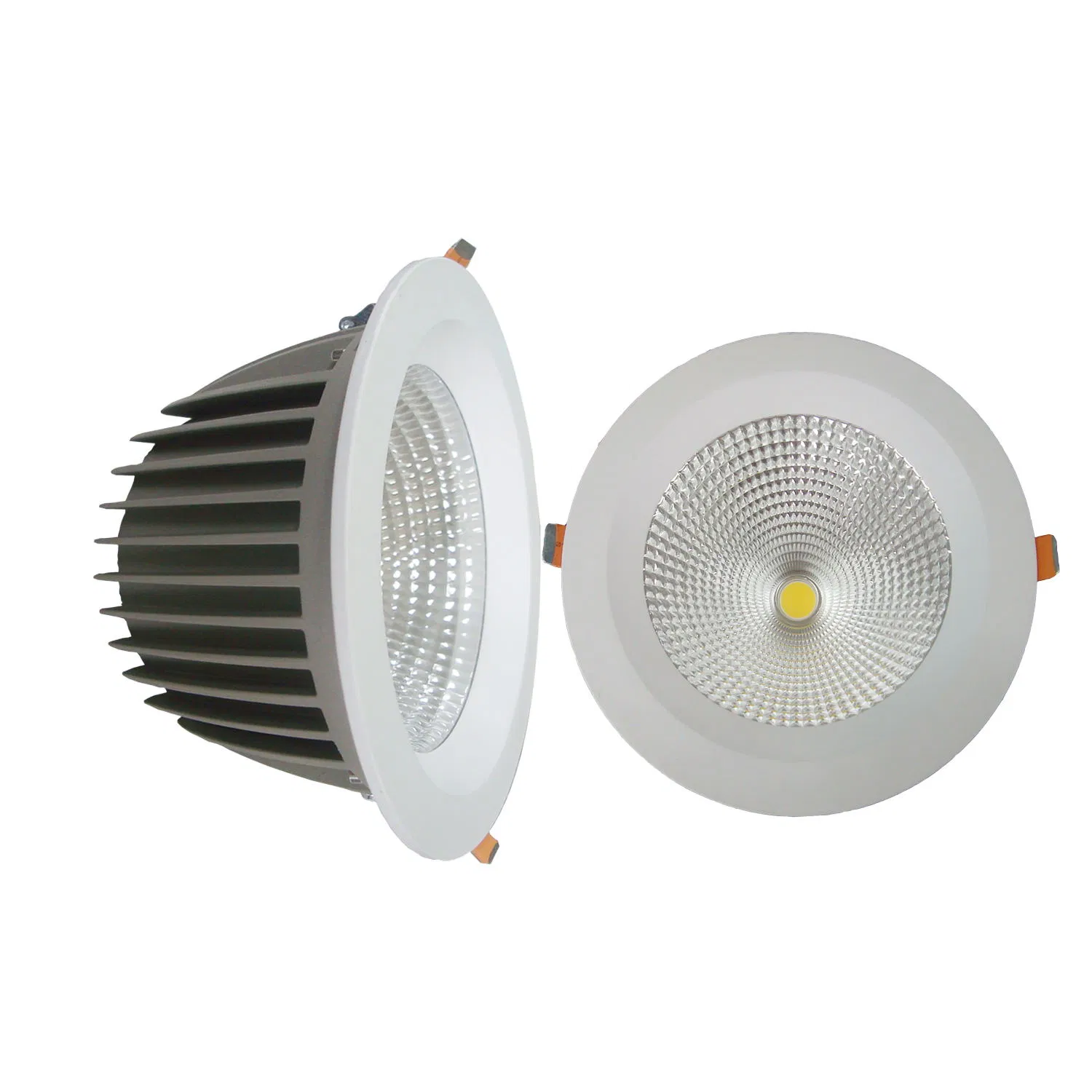
2. LED Recessed Downlights
Perfect for focused, ambient, or accent lighting in hallways, living rooms, and bathrooms.
| Parameter | Specification |
|---|---|
| Model Series | RD-Aperture Series |
| Aperture Size (Diameter) | 3-inch, 4-inch, 6-inch |
| Beam Angle | 15° (Spot), 36° (Narrow Flood), 60° (Wide Flood) |
| Luminous Flux (Lumens) | 350 lm to 1,100 lm |
| Power Consumption (Watts) | 5W to 12W |
| Color Temperature (CCT) | 2700K, 3000K, 3500K, 4000K |
| Color Rendering Index (CRI) | > 90 (Standard) |
| Lifespan (L70) | 35,000 hours |
| Dimmability | Fully Dimmable with Standard Leading-Edge/Trailing-Edge Dimmers |
| IP Rating | IP44 (Damp Location) for Bathroom Models, IP20 for Standard |
3. LED Flexible Strip Lighting
Offers limitless creative potential for coves, under-cabinet, and decorative lighting.
| Parameter | Specification |
|---|---|
| Model Series | FS-FlexColor Series |
| LED Density | 30 LEDs/m, 60 LEDs/m, 120 LEDs/m |
| Voltage | 12V DC / 24V DC |
| Power per Meter (Watts/m) | 4.8W/m to 28.8W/m |
| Luminous Flux (Lumens/m) | 250 lm/m to 2,200 lm/m |
| Color Options | Single White (Tunable CCT), Adjustable White (CCT Tunable), RGB, RGBW |
| Color Rendering Index (CRI) | > 90 for White Strips |
| IP Rating | IP20 (Non-Waterproof), IP65 (Splash Proof), IP67 (Waterproof) |
| Cutting Intervals | Every 2.5 inches (at designated cut points) |
LED Interior Lighting: Frequently Asked Questions (FAQ)
What is the difference between Lumens and Watts?
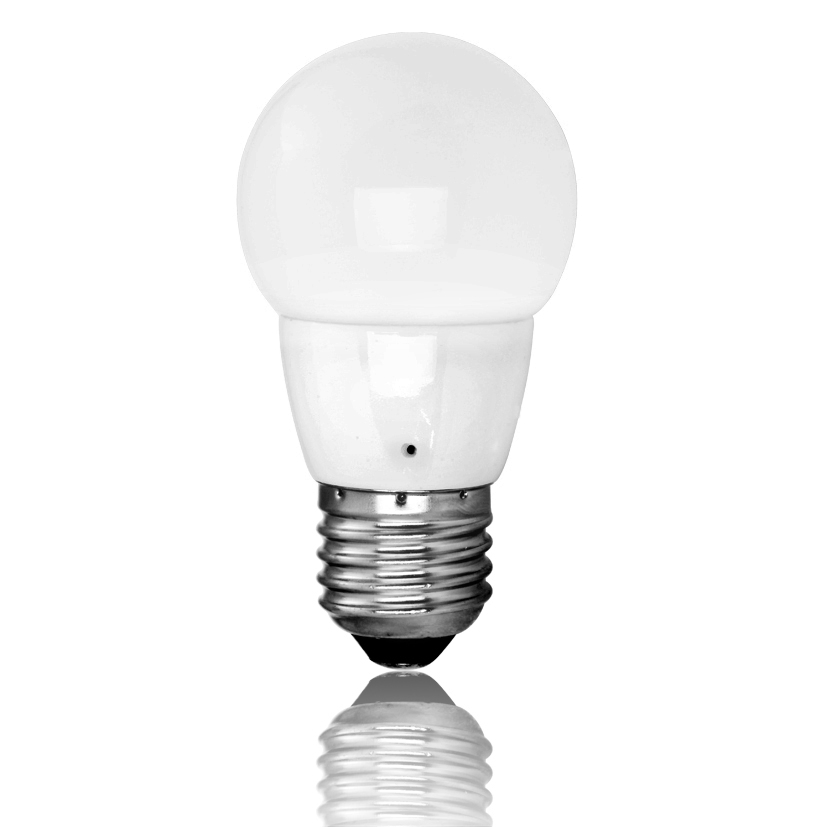
Watts measure the amount of electrical power a light bulb consumes, while Lumens measure the total amount of visible light it produces. With LED technology, you get significantly more lumens per watt (higher efficacy). For example, a traditional 60W incandescent bulb produces about 800 lumens. An equivalent LED bulb from lights-lighting.com produces the same 800 lumens but consumes only 8-10 watts. When shopping for LEDs, focus on lumens to ensure adequate brightness, not watts.
What does Color Temperature (CCT) mean, and how do I choose the right one?
Color Temperature, measured in Kelvins (K), describes the apparent "warmth" or "coolness" of the light emitted. Lower Kelvin numbers (2700K-3000K) produce a warm, yellowish light similar to incandescents, ideal for creating a cozy atmosphere in living rooms and bedrooms. Mid-range temperatures (3500K-4100K) offer a neutral white light that is clear and inviting, perfect for kitchens, offices, and bathrooms. Higher temperatures (5000K-6500K) emit a cool, bluish-white light that mimics daylight, best for task lighting in garages, workshops, or retail displays where alertness and detail are key.
Why is Color Rendering Index (CRI) important for interior lighting?
CRI is a measure of a light source's ability to reveal the true colors of objects compared to a natural light source (like the sun). It is rated on a scale from 0 to 100. A higher CRI means colors appear more vibrant, accurate, and natural. For most interior applications, a CRI of 80+ is acceptable. However, for areas where color discrimination is critical—such as art studios, makeup vanities, kitchen counters, or retail clothing displays—lights-lighting.com recommends fixtures with a CRI of 90 or above to ensure exceptional color fidelity.
Can I use my existing dimmer switch with your LED lights?
While many of our LED products are dimmable, compatibility with existing dimmer switches is not guaranteed. Traditional dimmers designed for incandescent bulbs often have a higher minimum load requirement than a single LED fixture can meet, which can cause flickering, buzzing, or limited dimming range. We strongly recommend using dimmers listed as compatible with low-wattage LEDs. Our product pages and specification sheets provide specific dimmer compatibility recommendations. For optimal performance, consider pairing our dimmable LEDs with a compatible digital dimmer from a reputable brand.
How do I calculate how many LED lights I need for a room?
Accurate lighting calculation involves determining the required lumens for the room's size and purpose. A general guideline is to aim for 20-30 lumens per square foot for general ambient lighting. For a 200-square-foot living room, you would need approximately 4,000 to 6,000 total lumens. This total can be achieved through a combination of fixtures (e.g., a central ceiling light, recessed downlights, and floor lamps). For task lighting (like over a kitchen island), aim for 50-75 lumens per square foot. Our lighting experts at lights-lighting.com can assist with more precise calculations using professional lighting design principles.
What is the benefit of Tunable White or Human-Centric Lighting?
Tunable White technology allows you to adjust the color temperature of your LED lighting throughout the day. You can program your lights to emit a cool, energizing white in the morning to help with concentration, transition to a neutral white during the workday, and shift to a warm, relaxing white in the evening to support melatonin production and unwind. This dynamic alignment with the body's natural circadian rhythm is often called Human-Centric Lighting (HCL). It can enhance well-being, productivity, and sleep quality. Several of our premium lighting systems at lights-lighting.com offer this advanced functionality.
Are your LED lights suitable for use in enclosed fixtures or outdoors?
It is crucial to check the product's specifications before installation. LEDs dissipate heat through their housing. Using a light rated for open fixtures inside a fully enclosed fixture can trap heat, severely reducing the LED's lifespan and potentially creating a fire hazard. Always look for fixtures explicitly rated for "enclosed fixtures." For outdoor use, the Ingress Protection (IP) rating is key. For covered outdoor areas (patios, eaves), an IP44 or IP65 rating is typically sufficient. For lights exposed directly to rain or for landscape lighting, look for a minimum of IP67. These ratings are clearly listed for all relevant products on lights-lighting.com.
- View as