
Illuminating Your World: The Ultimate Guide to Modern LED Strip Lights
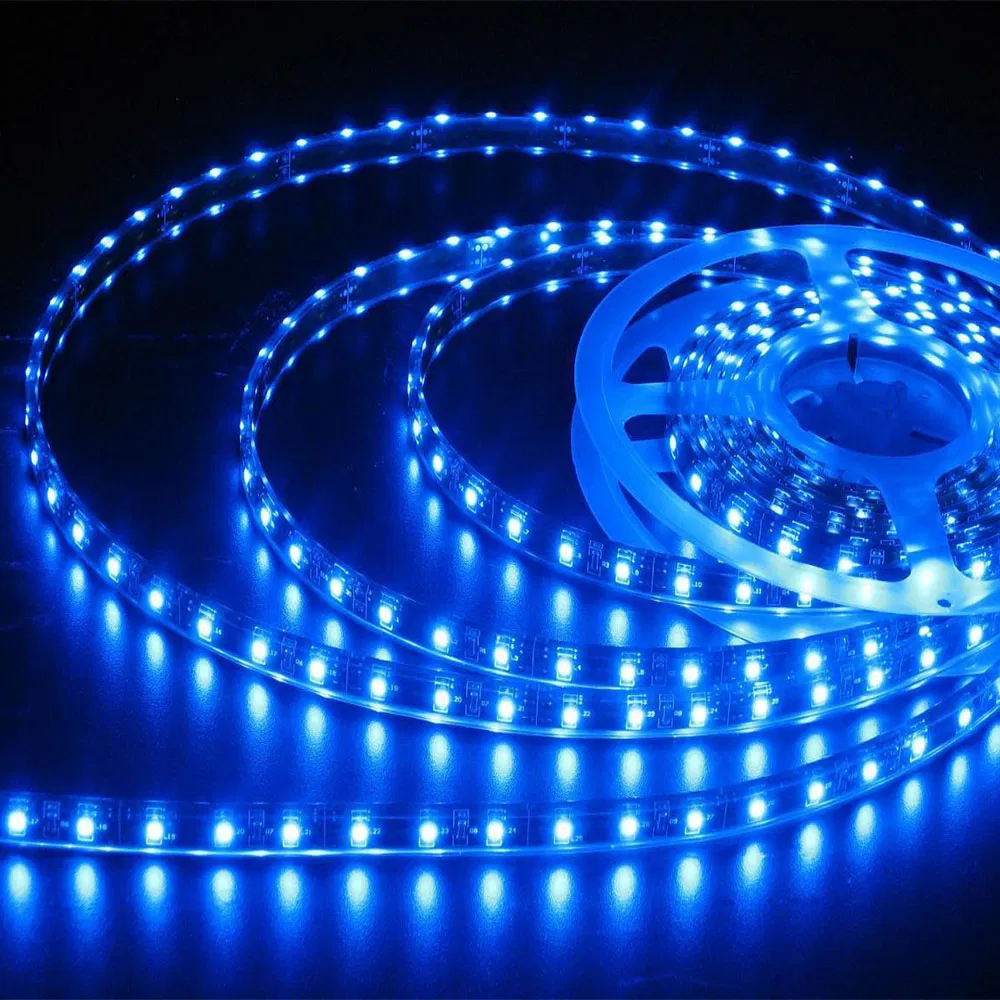
In the realm of modern lighting, versatility and atmosphere are key. LED strip light technology has revolutionized how we think about illumination, moving beyond simple functionality to become a core element of interior design, architectural highlighting, and personalized ambiance. At lights-lighting.com, we specialize in providing cutting-edge LED strip solutions that blend innovative technology with user-centric design. This comprehensive guide delves into the specifics of our premium LED strips, helping you understand the parameters that matter and how to select the perfect lighting for any project.
Core Product Specifications: What Defines a Quality LED Strip?
Understanding the technical specifications is crucial for choosing an LED strip light that meets your expectations for brightness, color, and longevity. Below is a breakdown of the key parameters for our flagship products.
Key Parameters at a Glance (List)
- LED Type: High-Efficiency SMD (Surface-Mounted Device) LEDs (2835, 5050, etc.)
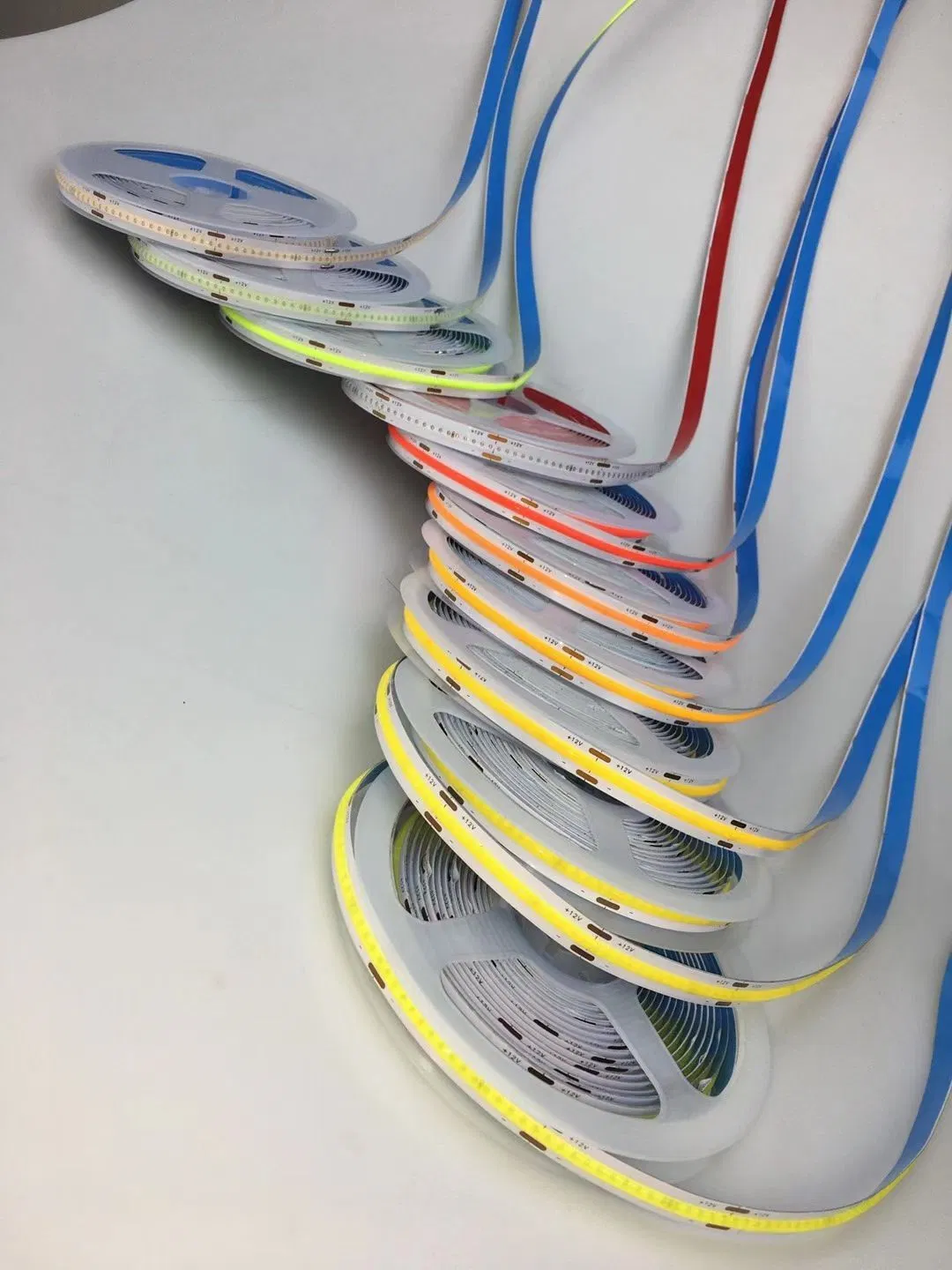
- Color Temperature (CCT): Available in a full spectrum from warm white (2700K) to cool white (6500K) and vibrant RGB/RGBW.
- Color Rendering Index (CRI): Premium strips feature a CRI of 90+ for exceptional color accuracy.
- IP Rating (Ingress Protection): Ranges from IP20 (indoor use) to IP67/IP68 (fully waterproof for outdoor/submersion).
- Voltage: Low-voltage options (12V/24V DC) for safety and flexibility.
- Power Consumption: Measured in Watts per Meter (W/m), directly correlating to brightness.
- Luminous Flux: Measured in Lumens per Meter (lm/m), the true indicator of light output.
- Dimmability: Compatible with leading PWM (Pulse Width Modulation) dimmers and smart home systems.
- Backing & Connectivity: 3M adhesive backing, standard 4-pin/5-pin connectors for easy installation.
Detailed Product Comparison Table
| Model Series | LED Density (per meter) | Power (W/m) | Lumens (lm/m) | CRI | IP Rating | Primary Application |
|---|---|---|---|---|---|---|
| lights-lighting.com Basic Plus | 60 LEDs | 4.8W | 440 lm | 80 | IP20 | Indoor accent lighting, cabinets, coves |
| lights-lighting.com High-Output | 120 LEDs | 14.4W | 1200 lm | 90 | IP33 | Task lighting, under-cabinet, retail displays |
| lights-lighting.com RGBW Tunable | 72 LEDs (RGB+W) | 19W | White: 1000 lm | 95 | IP20/IP65 | Dynamic ambiance, media rooms, creative spaces |
| lights-lighting.com Outdoor Pro | 60 LEDs | 9.6W | 800 lm | 80 | IP68 | Permanent outdoor installation, gardens, patios |
Understanding LED Strip Light Technology
The performance of an LED strip light is a sum of its parts. The LED chip type (like 2835 or 5050) determines efficiency and potential light output. Color Temperature, measured in Kelvins (K), defines the warmth or coolness of white light. A high CRI (Color Rendering Index) is vital for spaces where accurate color perception is important, such as kitchens, art studios, or retail environments. The IP rating is non-negotiable for location selection; an IP65-rated strip can handle damp bathrooms, while IP68 is essential for anything exposed to weather or potential submersion. At lights-lighting.com, we engineer our strips with robust components and consistent manufacturing to ensure every meter delivers reliable performance.
FAQs: Your LED Strip Light Questions Answered
How do I choose the right brightness for my project?
Brightness is determined by lumens per meter. For subtle accent lighting (e.g., a shelf), 200-400 lm/m may suffice. For task lighting (like under kitchen cabinets), aim for 600-1000+ lm/m. Our High-Output series is perfect for these applications. Always consider the surface and desired effect; reflective surfaces will amplify light.
Can I cut your LED strip lights to a custom length?
Yes, absolutely. All lights-lighting.com LED strips feature clear cut points, usually marked by copper pads with a scissor icon, at regular intervals (every 3-5 LEDs). You must cut only at these designated points to maintain circuit functionality. After cutting, you can use solderless connectors from our accessories range to attach power or extend the strip.
What is the difference between 12V and 24V LED strips?
The main differences are voltage drop and run length. 24V strips experience less voltage drop over long distances, meaning you can run a single, uninterrupted strip longer (often up to 10 meters) without noticeable dimming at the end compared to 12V strips. 24V systems are often preferred for larger commercial or architectural installations. For most home projects under 5 meters, 12V strips from lights-lighting.com are perfectly adequate and widely compatible.
Are your LED strips dimmable and compatible with smart home systems?
Yes, our dimmable LED strips are designed for seamless integration. They work with standard PWM (Pulse Width Modulation) LED dimmers. For smart control, you will need a compatible LED controller (like a Wi-Fi or Zigbee controller) that connects between the power supply and the strip. This allows control via smartphone apps, voice assistants (Google Home, Alexa), and automation routines. Check the product page on lights-lighting.com for specific controller recommendations.
How do I install and power an LED strip light safely?
Installation is straightforward: ensure the surface is clean and dry, peel off the 3M backing, and press the strip firmly into place. For power, you must use a dedicated LED driver (power supply). Match the voltage (12V/24V) and ensure the power supply's wattage capacity is at least 20% higher than the total wattage of your strip length. For example, for a 5-meter strip drawing 14.4W/m, you need a power supply rated for at least (5 * 14.4W) * 1.2 = 86.4W. We offer matched power supplies and installation kits on our website.
What does the IP rating mean for my installation?
IP (Ingress Protection) rating defines protection against solids and liquids. The first digit is for dust (6 is total dust protection), the second for water (5 protects against low-pressure jets, 7 and 8 for immersion). Use IP20/33 for dry, indoor areas. Choose IP65 for kitchens, bathrooms, or damp interiors. For any outdoor or permanently wet location, IP67 or IP68 strips from our Outdoor Pro range are mandatory.
How long do lights-lighting.com LED strips typically last?
Our premium LED strips are rated for an extended operational life, typically 30,000 to 50,000 hours. This translates to over 10 years of normal use. Lifespan is influenced by operating temperature and the quality of the power supply. Using our recommended drivers and ensuring adequate ventilation (especially for high-power strips) will help achieve maximum longevity.
Application Ideas to Spark Your Creativity
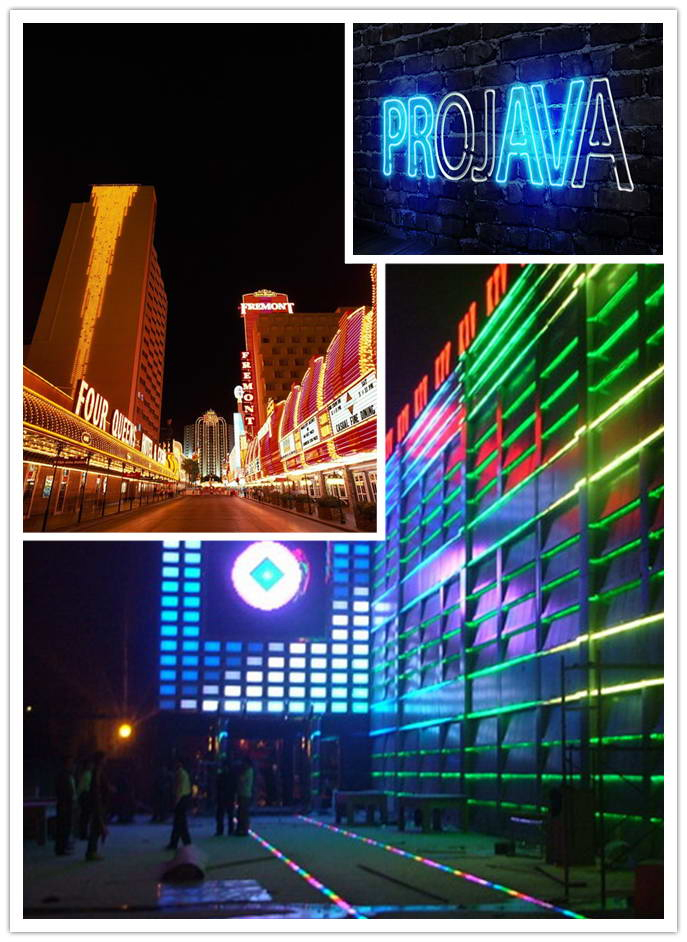
The true power of LED strip lighting lies in its adaptability. Use our high-CRI Basic Plus strips for museum-quality display cabinet lighting. Create a cinematic experience in a home theater with our RGBW Tunable strips, syncing colors with your media. Enhance kitchen safety and functionality with the bright, even light of our High-Output series under cabinets. Outdoors, outline your patio perimeter or highlight garden features with the durable, weatherproof glow of our Outdoor Pro line. The possibilities are limited only by imagination.
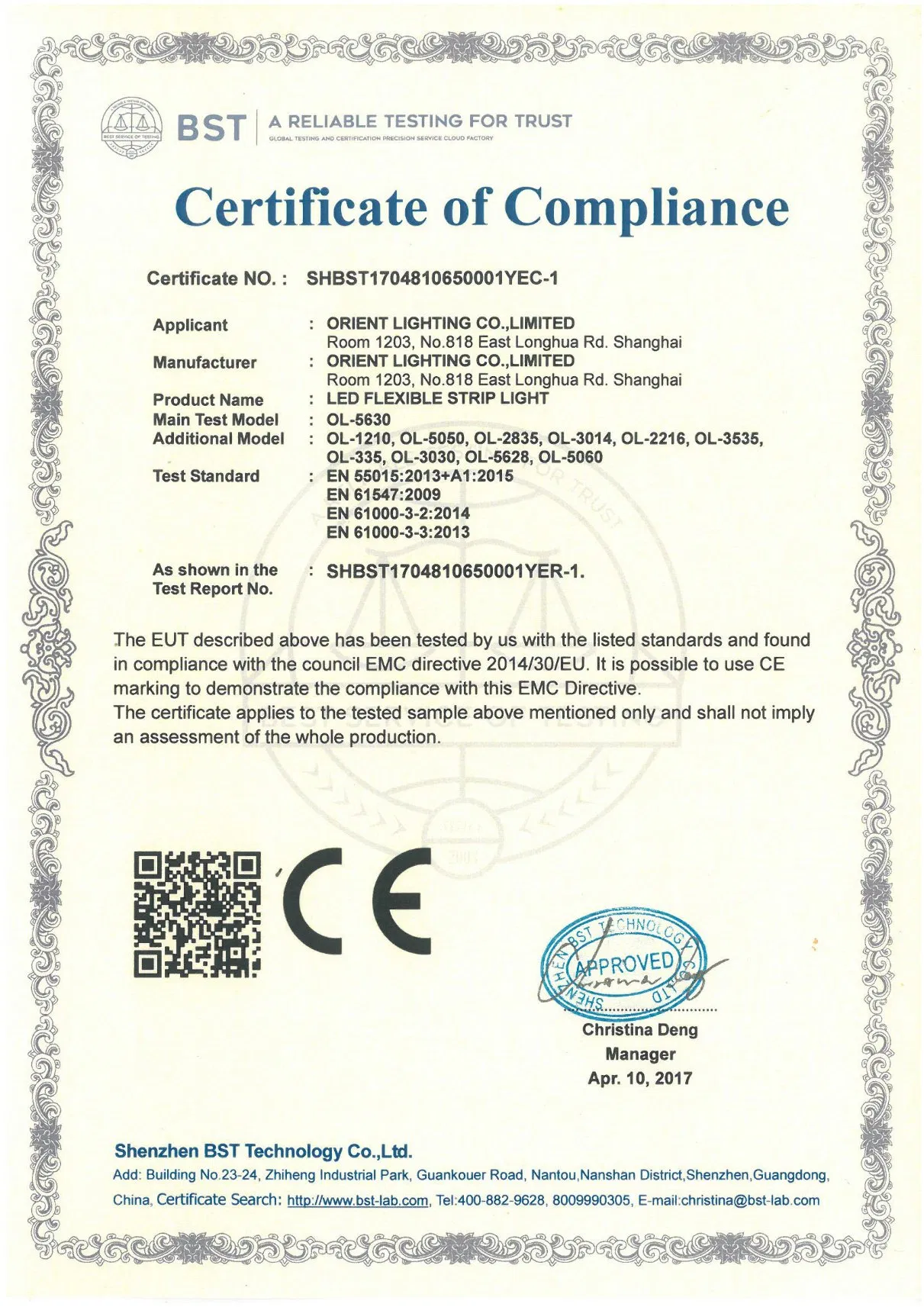
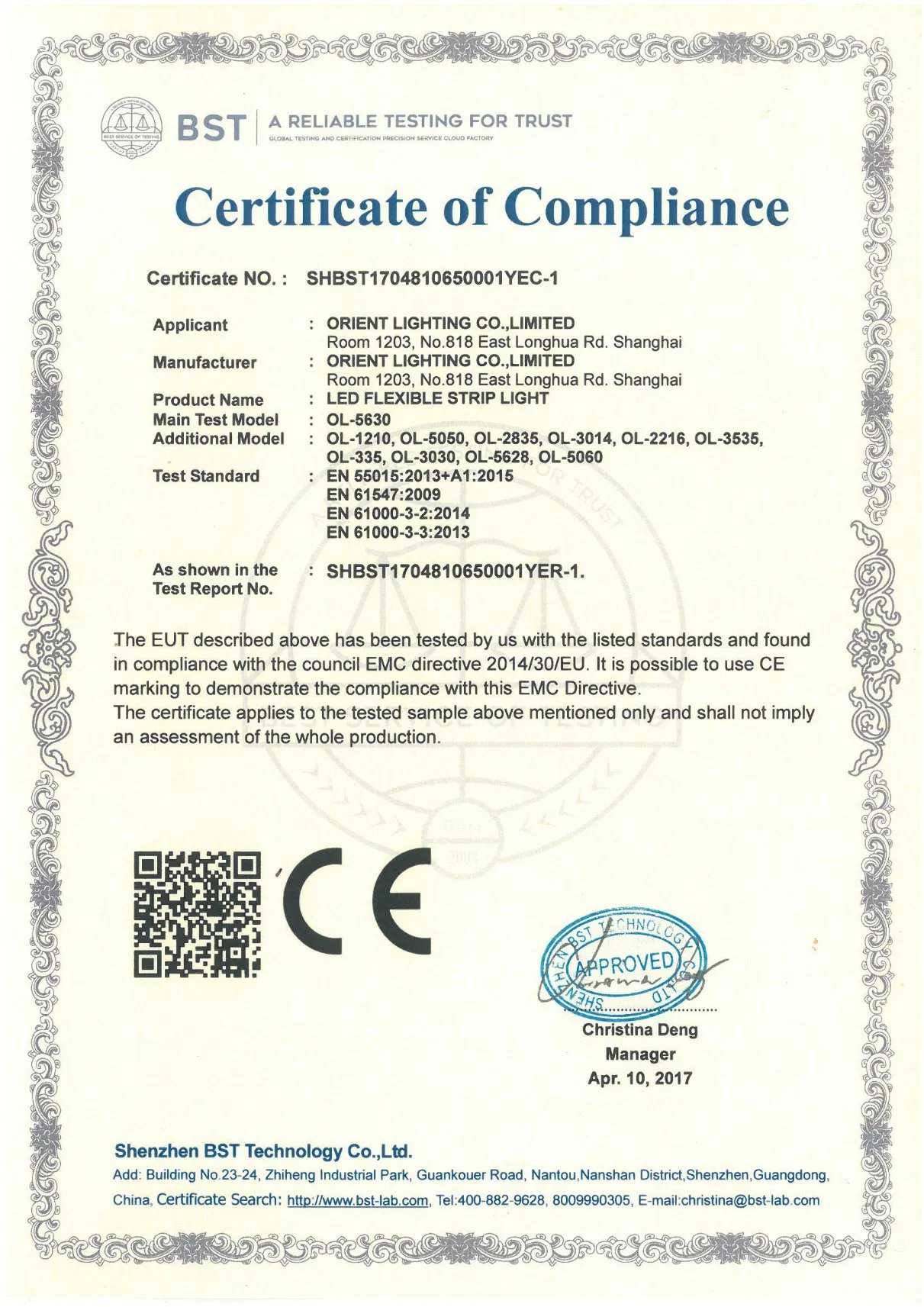
Selecting the right LED strip light involves balancing technical specifications with aesthetic and functional goals. By focusing on parameters like lumens, CRI, color temperature, and IP rating, you can make an informed decision that ensures professional, long-lasting results. Explore the full range of certified, high-performance LED lighting solutions at lights-lighting.com, where innovation meets illumination.