

Top Hot-Dip Galvanized Round Pipe Suppliers You Can Trust for Your Next Build
2026-11-22
Finding a supplier who actually understands what your build demands can be the quiet difference between a project that holds up and one that keeps you up at night. Hot-dip galvanized round pipes look similar on paper, but coating thickness, weld consistency, and delivery reliability vary more than most buyers expect. In this guide, we’ve cut through the noise to highlight suppliers worth your trust. Among them, Shunchen steel has built a reputation for straightforward quality control and on-time supply, making it a practical reference point as you compare your options.
Sorting the Straight Pipe From the Rejects
Straight pipe work carries a certain romance in the trades. Maybe it's the clean sightline, the promise of unbroken flow, the quiet confidence of a run that doesn't need fifteen fittings to make sense. Then you meet the rejects: the off-cuts with ragged threads, the bent lengths that somehow warped in the rack, the pieces someone tossed back because they were a quarter inch short. Learning to tell the difference isn't just about measuring twice. It's about reading the metal, checking the shoulder on the thread, running a finger inside the bore to feel for the burr that will tear up a seal later. A good hand can sort a full bundle in a couple of minutes without a tape measure, just from weight, ring, and the way the light catches the surface.
The real sorting happens before a single wrench moves. You roll each length on a flat table and listen. Straight pipe has a steady hum, a clean roll, no wobble at the end. A reject often hides its flaw in the last six inches, a slight dogleg that will fight you when you're trying to keep a run parallel to the wall. Threads get checked with a known-good fitting, not just the eye, because a thread that looks fine can bind halfway on and leave you with a slow weep behind a closed ceiling. And the end condition matters more than apprentices expect: a pipe dropped on concrete can mushroom the opening just enough that a reamer won't seat clean, so you're chasing a drip under pressure. None of this is written in a manual; it gets passed along with a grunt and a nod.
Some crews keep a reject pile out of habit, hoping the supply house will take back what the foreman won't use. But sorting is really about time. The pipe you don't have to re-cut, re-thread, or wrestle into place is money already earned. So the next time you see a stack of straight pipe next to a heap of rejects, don't just walk past. Pick up a length from each pile. Feel the weight, check the mouth, roll it once. The difference is there every time, and once you know it, you'll never want to start a job with the wrong pile again.
When a Shiny Surface Hides a Thin Coating
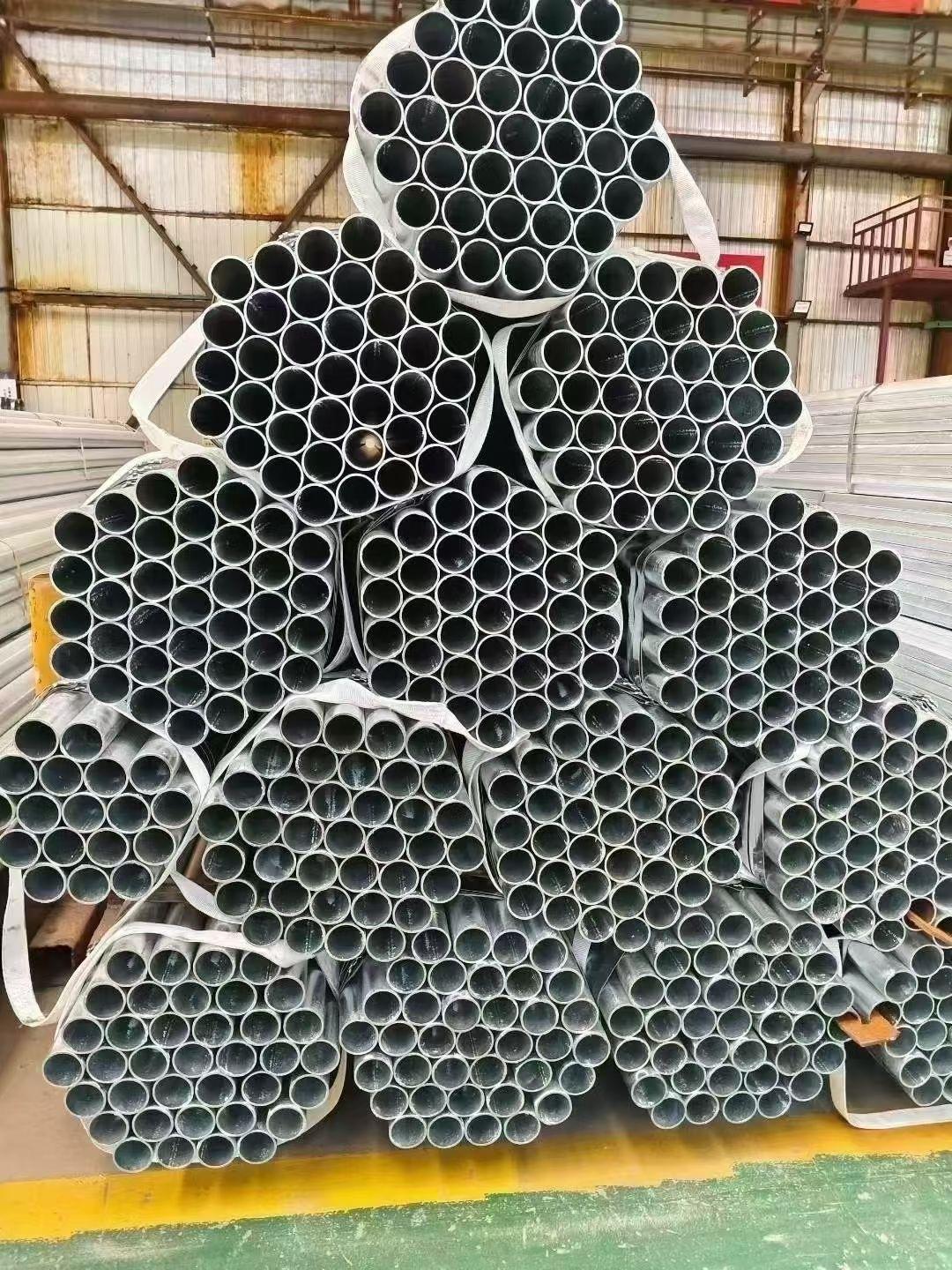
A shiny finish has a way of convincing the eye that everything underneath is just as flawless. Light hits the surface and throws back a clean, even reflection, so the brain fills in the rest. Yet that same glare can conceal a coating that is uneven, overly thin, or missing at the edges. What reads as quality is sometimes only an optical shortcut.
This is especially true with nearly transparent layers or films only a few microns thick. The coating may be present, but its thickness and coverage stay hidden behind the mirror of the top surface. Inspectors often have to shift the angle, change the light, or move a fingertip across the surface to catch what the shine refuses to reveal. By the time the flaw becomes obvious, the coating has usually been trusted for far too long.
The Questions Suppliers Hope You Won't Ask
Every supplier has a mental list of topics they would rather sidestep. These aren't the easy questions about lead times or shipping costs—they're the ones that expose thin margins, stretched production schedules, and corners quietly cut. When a buyer asks about a factory's secondary subcontractors or what happens when a material fails a spot check midway through a run, the hesitation often tells you more than any polished answer could. Silence, deflection, or a swift change of subject usually means you have found a nerve worth pressing.
The uncomfortable truth is that most suppliers want to control the flow of information. They prefer to lead with their best-case scenario and hope you never circle back to the details buried in the fine print. Asking about the last three customer complaints, the true rejection rate on a similar order, or who actually owns the equipment used for your project can shift the balance of power. It turns a friendly negotiation into a quiet audit, and that is rarely a role suppliers enjoy.
What makes these questions so effective is that they are ordinary and direct. No one needs to raise their voice or make accusations. You simply ask for the name of the person who will run your quality checks or request a copy of the last third-party inspection report. The supplier's discomfort is the signal—not always proof of wrongdoing, but proof that the conversation has moved past the sales pitch and into the parts of the operation they hoped you would never notice.
Getting the Right Wall Without Overbuilding
Most people assume a taller, thicker wall is automatically a stronger one, but that logic often leads to wasted materials and unnecessary cost. The real goal is to match the wall's height, reinforcement, and footing to the actual loads it will face, not to some imagined worst-case scenario. Start by identifying what the wall is holding back: a simple garden bed has very different requirements than a terrace that supports a driveway or a pool.
Overbuilding usually happens when we borrow details from unrelated projects or add "just a little more" concrete and steel out of caution. A better approach is to work backward from the soil type, slope angle, and drainage plan. In many cases, a well-drained gravel backfill and proper geogrid placement can reduce the needed wall height far more effectively than pouring extra thickness.
Before finalizing any design, ask a simple question: if this wall were ten percent shorter or one block thinner, would it still perform safely? If the answer is yes, you are probably looking at overbuilding. Reducing unnecessary mass not only lowers material and labor costs but also makes the wall easier to maintain and less disruptive to the surrounding landscape.
Why Local Availability Beats a Great Price Quote
The lowest number on a quote rarely tells the whole story. When a part or product sits in a warehouse three states away, that discount starts to shrink under freight costs, delayed timelines, and the labor spent chasing updates. A local supplier with the item on the shelf eliminates those quiet expenses before they appear on an invoice.
There is also the matter of accountability. A nearby vendor has a reputation to protect in the same community where you do business. If something is wrong, the conversation happens face-to-face or over a quick call, not through layers of ticket-based support. That kind of access can prevent a small issue from becoming a full stop in your operation.
Availability changes the math. A slightly higher unit cost often buys back hours of waiting, extra shipping charges, and the risk of a project stalling. Over time, those saved hours compound far beyond the few dollars saved on paper.
Repeat Customers Are the Only Real Endorsement
Anyone can buy a first impression, but a second purchase has to be earned. A repeat customer has already tested the product, compared the alternatives, and decided the experience is worth returning to. That quiet decision says more than any badge or award ever could.
New orders can be influenced by discounts, timing, or curiosity. Returning customers carry none of that noise. They know exactly what they are paying for and choose it anyway. Their loyalty is built on consistency, not promises.
When people come back without being asked, they bring the most credible form of approval. They may not write a review or post about it, but their behavior repeats the message: this was worth it. Over time, that pattern becomes the clearest sign of trust a business can have.
FAQ
Look beyond the quote. Ask for the zinc coating weight and the specific standard it meets, such as ASTM A123 or EN ISO 1461. Request a mill test certificate from the last production batch, not a sample from months ago. Also confirm whether the pipe is fully immersed or pre-fabricated before galvanizing, because that changes how well the threads and edges hold up.
Check the coating thickness requirement for the steel thickness you are ordering. For structural tubing used outdoors, a coating around 70 to 85 microns is common, but some environments need more. Ask the supplier to state the minimum coating thickness in writing, not just an average. If they hesitate, that is usually a sign.
No. The base steel grade, wall thickness tolerance, pre-treatment cleaning, and zinc bath composition all vary. Two suppliers can both say hot-dip and deliver very different surface finish and lifespan. A quick way to compare is to ask for cross-section photos of recent cuts and check for a uniform coating inside the pipe, not just outside.
If the supplier stocks standard sizes, you might get 2 to 4 weeks. Custom lengths or wall thicknesses often add another 10 to 20 days because the mill has to schedule the base tube production before galvanizing. Always get the production schedule in writing and add buffer for holidays and port congestion.
A factory usually gives you more direct control over coating quality and lead time, but a good trading company can consolidate sizes and handle small mixed loads. The real question is whether they can show you live production photos or video from the galvanizing line. If they only send brochures, keep looking.
Ask for recent bill of lading copies with sensitive details blacked out, not just client names. Ask which countries they ship to regularly and how they handle packaging for sea freight. A reliable supplier will be specific about bundling, end caps, and moisture protection, not just say 'standard export packing.'
Dull gray usually means the steel composition produced a thicker zinc-iron alloy layer. It can actually perform fine or even better for corrosion resistance, but rough lumps or bare spots are different problems. Reject only if coating thickness is below spec, adhesion fails a simple knife test, or the pipe surface has sharp icicles and drainage spikes.
Yes, typically 30% is common, with the balance against a copy of shipping documents or before loading. Avoid paying everything upfront unless it is a small sample order. Use a payment method that leaves a trace, and make sure the proforma invoice lists the exact specification, coating standard, length tolerance, and packing details.
Conclusion
Finding a dependable hot-dip galvanized round pipe supplier often comes down to looking past the polished sales pitch and checking how the pipe behaves before it ever reaches the rack. Straightness is the first filter: if a bundle shows bowed, twisted, or kinked lengths mixed in with clean stock, that yard is not sorting carefully. A bright, smooth finish can also mislead. Zinc can look uniform while being too thin to survive years of weather or soil contact, so it pays to ask for coating thickness records instead of trusting the shine. The right supplier should welcome questions about mill test reports, zinc adherence, and actual wall tolerance, not change the subject.
Wall thickness matters just as much as coating weight. A slightly heavier wall often costs less over time than an underbuilt pipe that fails early, but you should not pay for extra steel you do not need. Local stock can matter more than a low quote from a distant yard, because transport damage, return hassles, and job-site delays tend to erase those savings quickly. In the end, repeat buyers tell the real story. When contractors and fabricators keep returning to the same supplier year after year, that track record is a stronger signal than any brochure or sales promise.
Contact Us
Contact Person: Max Zhou
Email: [email protected]
Tel/WhatsApp: +86 15712216177
Website: https://www.shunchensteelmaterial.com/