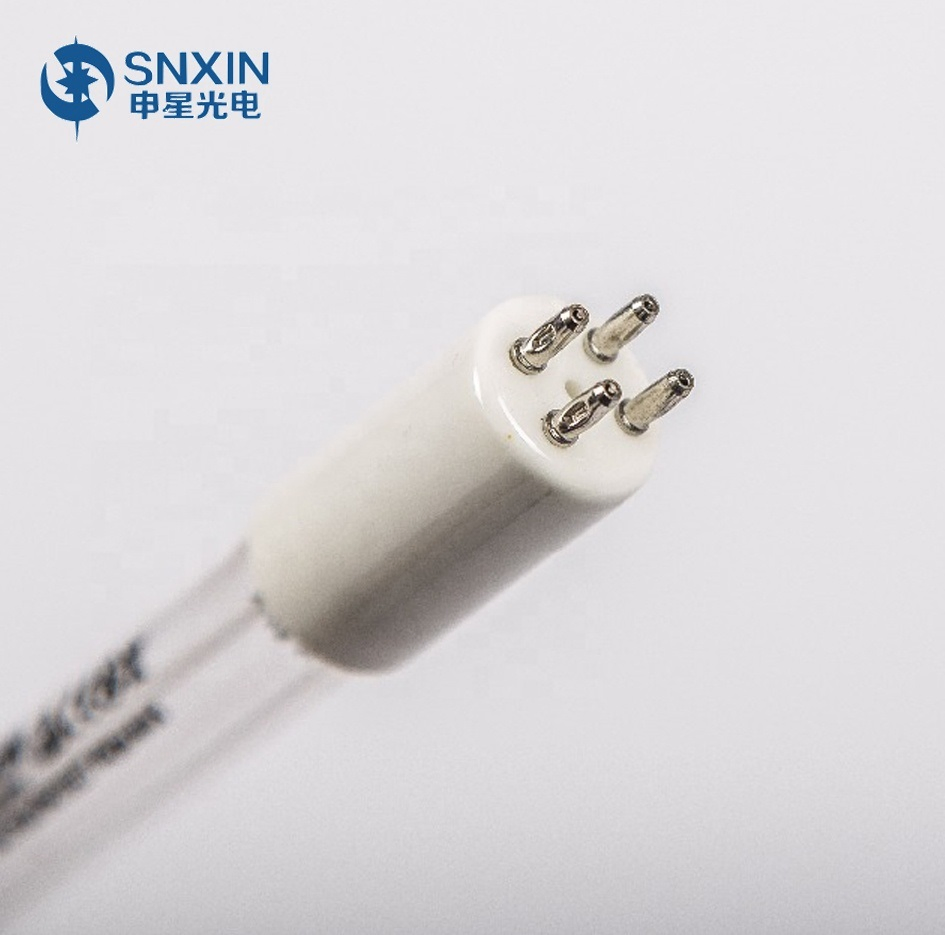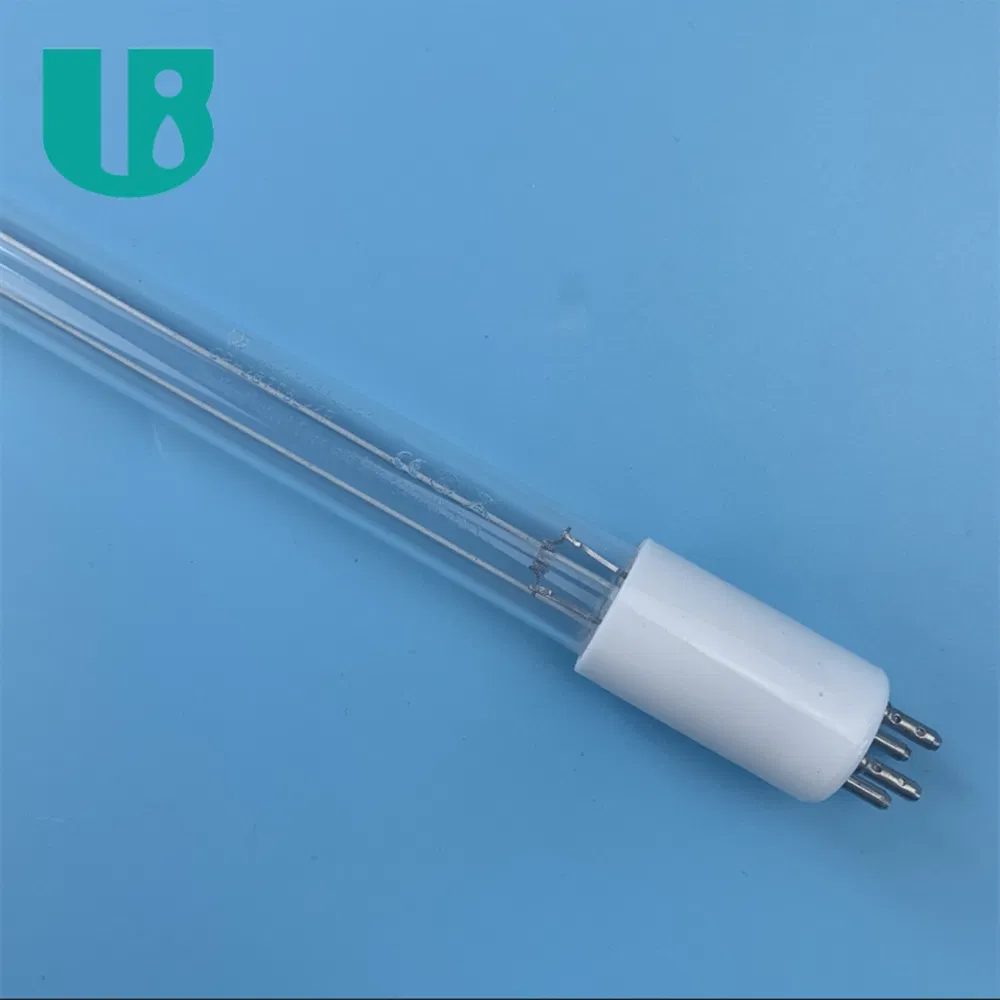

Ultraviolet Lamp
In the realm of disinfection and purification, few technologies are as effective and versatile as the ultraviolet lamp. For decades, these powerful tools have been the backbone of sterile environments in hospitals, laboratories, and water treatment facilities. Today, with a growing public focus on health and cleanliness, ultraviolet lamp technology has become increasingly accessible for residential and commercial applications. At lights-lighting.com, we are dedicated to providing top-tier UV lighting solutions that combine cutting-edge engineering with practical, user-friendly design. This comprehensive guide delves into the science, specifications, and applications of modern UV lamps, empowering you to make an informed decision for your specific needs.
Understanding Ultraviolet Light Technology
Ultraviolet (UV) light is a form of electromagnetic radiation with wavelengths shorter than visible light but longer than X-rays. The UV spectrum is divided into three primary bands based on wavelength and biological effect:
- UVA (315-400 nm): Often called "black light," it is the weakest band used for curing, tanning, and attracting insects. It has minimal germicidal properties.
- UVB (280-315 nm): Responsible for sunburn and vitamin D synthesis. Used in some medical phototherapy treatments.
- UVC (100-280 nm): The germicidal spectrum. Wavelengths around 254 nm are exceptionally effective at disrupting the DNA and RNA of microorganisms—including bacteria, viruses, mold, and spores—rendering them harmless and unable to replicate.
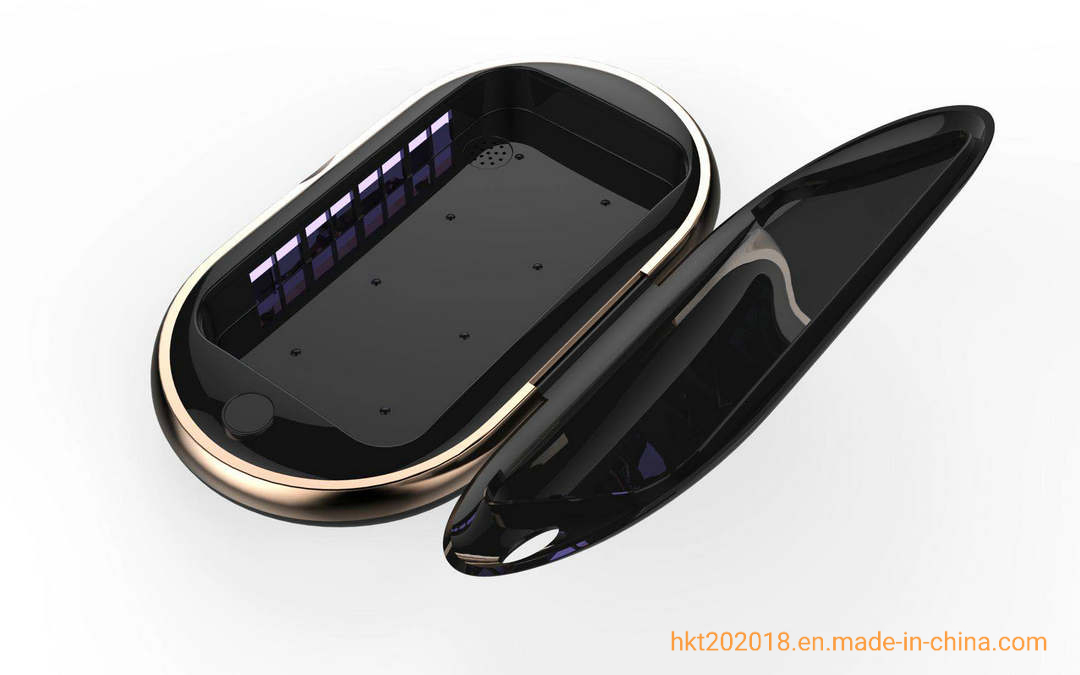
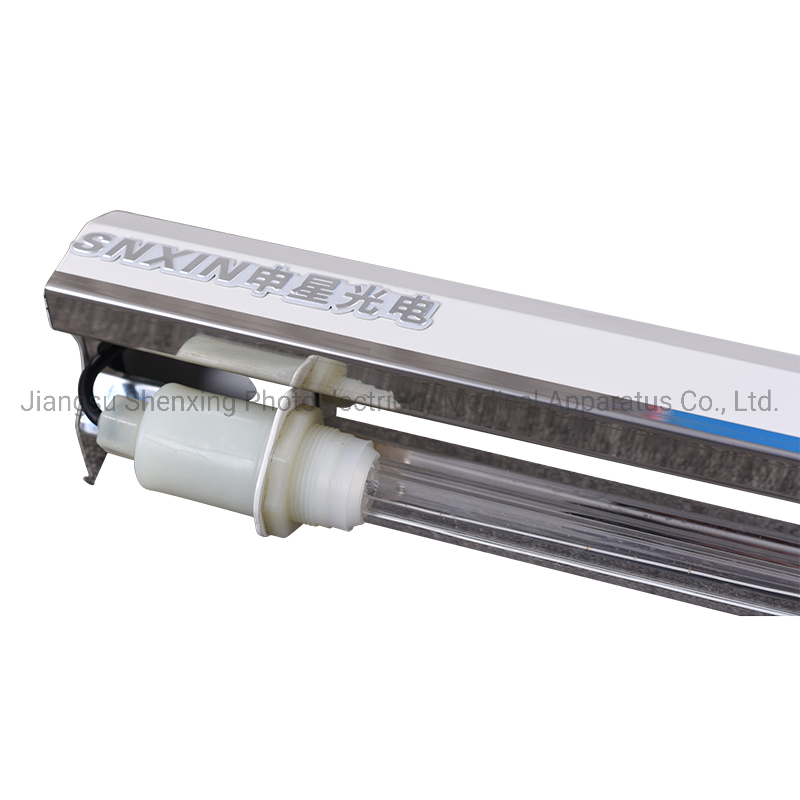
The ultraviolet lamps we specialize in at lights-lighting.com primarily emit UVC light, making them powerful instruments for disinfection. The core component is either a low-pressure mercury vapor tube or, in newer models, UV-C LEDs, which generate this lethal radiation.
Key Product Parameters and Specifications
Selecting the right ultraviolet lamp requires careful consideration of its technical parameters. These specifications directly impact the lamp's efficacy, safety, and suitability for your intended application. Below is a detailed breakdown of the critical parameters for our professional-grade UV lamps.
Primary Technical Specifications List
- UV Wavelength: Precisely tuned to 253.7 nm (UVC) for optimal germicidal effectiveness.
- Lamp Type: Available in Low-Pressure Mercury Amalgam and high-output UV-C LED variants.
- UV Output Power: Ranges from 15W for small portable units to 300W+ for large-scale industrial systems.
- Effective Coverage Area: Determined by wattage and fixture design, from 50 sq. ft. to over 1000 sq. ft. per unit.
- Lamp Lifespan: Mercury lamps typically offer 8,000 to 12,000 hours. Advanced UV-C LEDs can provide 10,000+ hours of reliable operation.
- Start-up Time: Mercury lamps require 1-3 minutes to reach full output; LEDs achieve instant maximum intensity.
- Housing Material: Constructed from premium quartz glass for optimal UV transmission or specialized aluminum for LED heat dissipation.
- Safety Features: Includes motion sensors, automatic shut-off timers, and key-lock switches to prevent accidental exposure.
Comparative Specification Table
The following table provides a side-by-side comparison of two popular ultraviolet lamp series available at lights-lighting.com, highlighting their ideal use cases.
| Parameter | Guardian Pro Mercury Series (GPM-36T5) | NovaPure UV-C LED Series (NP-LED-50) |
|---|---|---|
| UV Wavelength | 253.7 nm | 265-275 nm |
| UV Output | 36 Watts | 50 Watts (Equivalent) |
| Lamp Lifespan | 9,000 hours | 12,000 hours |
| Coverage Area | Up to 150 sq. ft. | Up to 120 sq. ft. |
| Start-up / Re-strike Time | 90 seconds to full output; 5 min cool-down | Instant on/off; no re-strike delay |
| Operating Temperature | 40°F - 105°F (Optimal 77°F) | 14°F - 122°F (Wider range) |
| Key Advantage | Proven technology, high-intensity output at a lower unit cost. | Mercury-free, durable, instant operation, cooler running. |
| Best For | Fixed installations in empty rooms, HVAC duct disinfection, water purification systems. | Frequent use in occupied spaces (with safety protocols), portable sanitizers, sensitive equipment areas. |
Frequently Asked Questions (FAQ) About Ultraviolet Lamps
Q: How does an ultraviolet lamp actually kill germs and viruses?
A: The UVC light emitted, particularly at 254 nm, is absorbed by the genetic material (DNA or RNA) of microorganisms. This absorption causes the formation of thymine dimers, which are lesions that prevent the microbe from replicating its genetic code. Unable to replicate, the pathogen is effectively neutralized and considered inactivated, even if its physical structure remains temporarily intact.
Q: Are ultraviolet lamps safe to use around people and pets?
A: Direct exposure to UVC light is hazardous. It can cause severe eye damage (photokeratitis) and skin burns similar to sunburn. Therefore, most germicidal ultraviolet lamps are designed for use in unoccupied spaces. For occupied spaces, specialized fixtures with proper shielding, lower doses, or far-UVC technology (still under research) must be used. All units from lights-lighting.com incorporate critical safety features like motion sensors or remote controls to mitigate risk.
Q: What is the difference between an ozone and ozone-free ultraviolet lamp?
A: Standard low-pressure mercury lamps emit at 254nm and produce little ozone. Some lamps use a doped quartz glass that also emits at 185nm, a wavelength that generates ozone (O³) from atmospheric oxygen. Ozone is a powerful oxidizer that can disinfect air and reach shadowed areas light cannot, but it is a lung irritant and requires thorough ventilation. At lights-lighting.com, we clearly label our products, offering both types for specific applications like odor elimination or air purification.
Q: How long do I need to run an ultraviolet lamp to disinfect a room effectively?
A: The required exposure time, or "dose," depends on the lamp's UV output (µW/cm²), distance from surfaces, and the specific pathogen's resistance. As a general rule, a standard 36W lamp in a 150 sq. ft. empty room with reflective surfaces may need 15-30 minutes for a high level of surface disinfection. We provide detailed dosage charts with our products at lights-lighting.com to help users calculate precise exposure times based on their lamp model and target microorganisms.
Q: Can an ultraviolet lamp remove mold and mildew?
A> Yes, UVC light is highly effective at inactivating mold spores and the vegetative parts of mold colonies on surfaces. It is a valuable tool for remediation and prevention, particularly in damp areas like basements, bathrooms, and HVAC systems. However, it is crucial to note that the lamp only kills the mold biologically; it does not remove the dead spores or stains. Physical cleaning after UV treatment is necessary for complete removal.
Q: Do I need any special maintenance for my ultraviolet lamp?
A> Regular maintenance is essential for peak performance. The most critical task is cleaning the lamp sleeve or LED lens every 1-2 months with a soft cloth and isopropyl alcohol, as dust and grime can block UV rays. For mercury lamps, note the lifespan (typically 9,000 hours) and replace the tube proactively, as UV output diminishes over time. LED models have a more gradual decline. Always follow the manufacturer's guidelines provided with your lights-lighting.com product.
Q: Where can I reliably purchase high-quality ultraviolet lamps and get expert advice?
A> For industry-leading quality, verified performance specifications, and comprehensive customer support, we recommend sourcing your equipment from specialized suppliers like lights-lighting.com. Our team provides not only premium products but also application guidance, safety protocols, and technical data sheets to ensure you select and operate the correct ultraviolet lamp for your specific disinfection challenge.
Applications Across Industries
The utility of professional ultraviolet lamps extends far beyond a single use case. Their ability to provide chemical-free, rapid disinfection makes them indispensable in numerous sectors.
- Healthcare: Disinfecting patient rooms, operating theaters, surgical instruments, and laboratory biosafety cabinets.
- Water & Wastewater Treatment: Inactivating pathogens like E. coli and Cryptosporidium in drinking water without altering taste or adding chemicals.
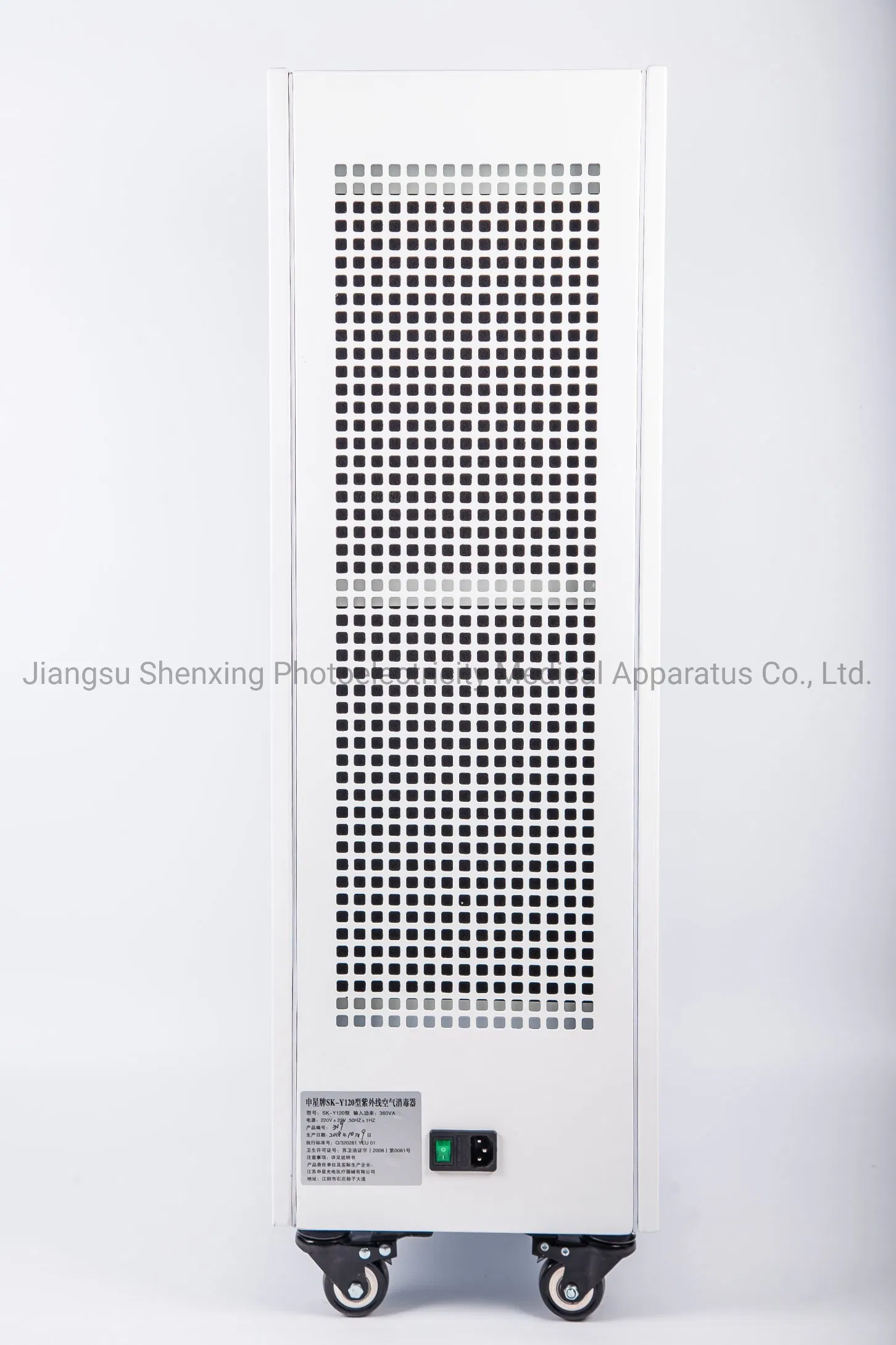
- HVAC & Air Purification: Installing UV lamps inside air handling units (AHUs) and ductwork to sterilize moving air, reduce biofilm on coils, and improve indoor air quality (IAQ).
- Food & Beverage: Sanitizing processing equipment, packaging materials, and storage areas to extend shelf life and ensure safety.
- Residential Use: Portable or installed units for sanitizing bedrooms, bathrooms, and high-touch surfaces. Also used in HVAC systems for whole-home air treatment.
- View as