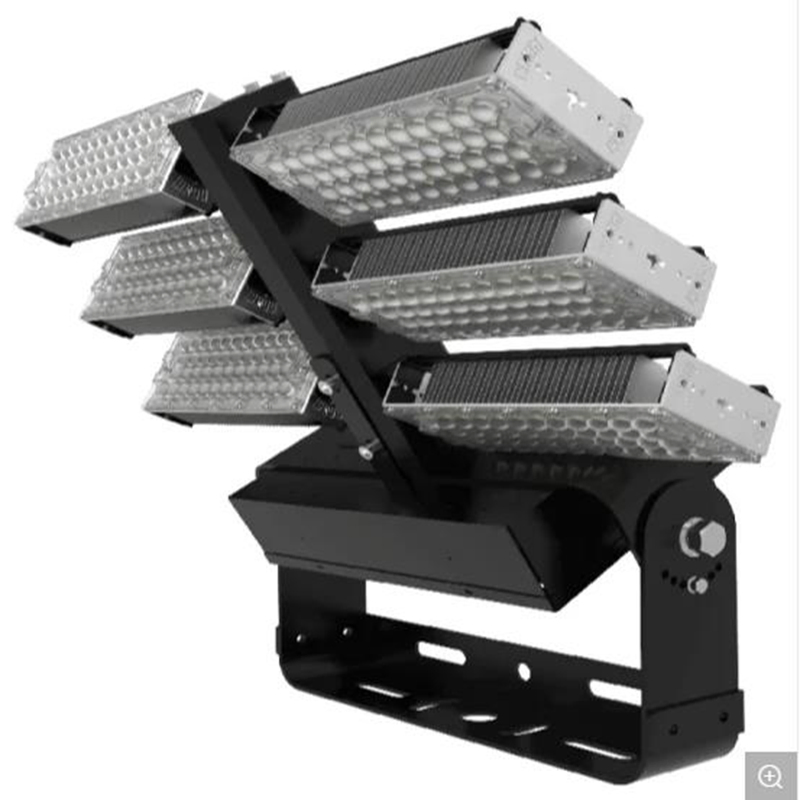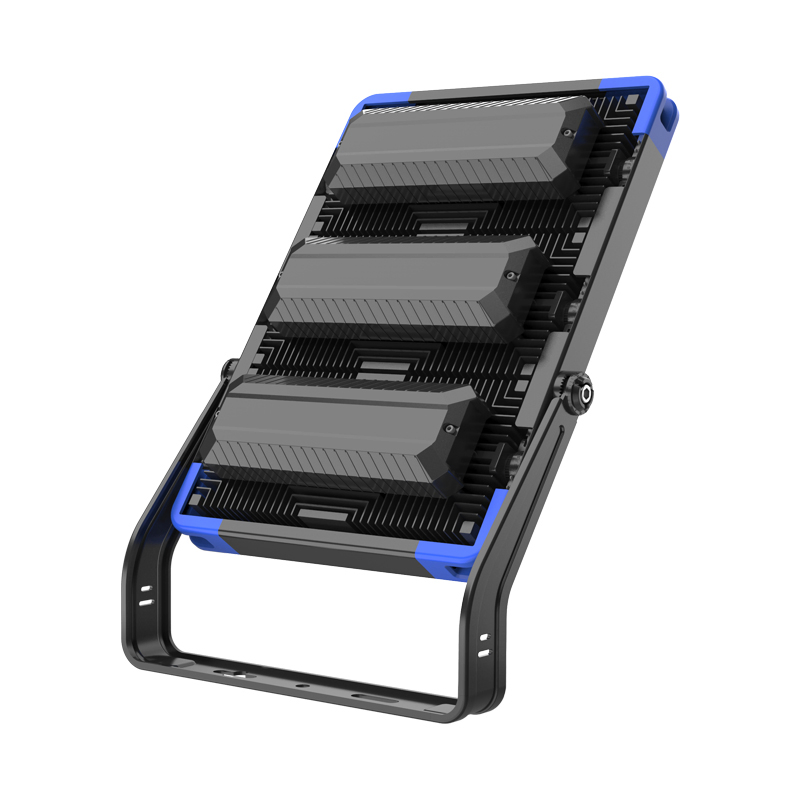

LED Outdoor Lighting
The Expert's Guide to LED Outdoor Lighting: Elevate Your Exterior Spaces
For twenty years, the landscape of exterior illumination has undergone a revolutionary transformation, moving from inefficient, high-maintenance halogen and incandescent fixtures to the superior technology of LED outdoor lighting. This shift isn't just about saving energy; it's about achieving unparalleled control, durability, and aesthetic impact for residential, commercial, and municipal spaces. As a seasoned professional in the field, I've witnessed firsthand how the right lighting strategy can enhance safety, security, and the architectural beauty of any property. This comprehensive guide will delve into the technical specifications, benefits, and strategic application of modern LED outdoor lighting solutions, with a focus on the premium offerings available at lights-lighting.com.
The core principle of LED (Light Emitting Diode) technology is electroluminescence, where light is emitted from a semiconductor material when an electrical current passes through it. This fundamental difference from traditional bulbs, which rely on heating a filament, results in immediate and significant advantages for outdoor applications. The primary benefits that have cemented LED as the industry standard include exceptional energy efficiency (consuming up to 80% less power than traditional lighting), an extraordinarily long operational lifespan (often exceeding 50,000 hours), superior durability due to solid-state construction with no fragile filaments or glass, and instantaneous full brightness without warm-up time. Furthermore, LEDs offer excellent cold-weather performance and provide a vast range of color temperatures and beam angles for precise design control.
Technical Specifications: Decoding the Details
Selecting the optimal LED outdoor lighting requires a clear understanding of key technical parameters. Here is a breakdown of the most critical specifications you should evaluate before making a purchase.
- Luminous Flux (Lumens): This measures the total quantity of visible light emitted by a source. For outdoor applications, higher lumens are generally needed to cover larger areas effectively. Think of lumens as the measure of "brightness output."
- Wattage (Watts): In the LED world, wattage indicates electrical power consumption, not brightness. A high-quality LED fixture will produce more lumens per watt (efficiency) than a lower-quality one.
- Color Temperature (Kelvin - K): This defines the color appearance of the light, from warm to cool.
- Warm White (2700K - 3000K): Creates a cozy, inviting, and traditional ambiance, ideal for patios, garden paths, and residential facades.
- Natural / Cool White (4000K - 5000K): Offers a clean, bright, and alerting light. Perfect for security lighting, garage areas, task lighting, and modern architectural highlights.
- Daylight (5700K+): Provides a very crisp, bluish-white light similar to midday sun, often used for commercial security and stadium lighting.
- Beam Angle (Degrees): This specifies how the light is dispersed. A narrow beam (e.g., 15°-30°) creates a focused spotlight for accenting trees or statues. A wide beam (e.g., 90°-120°) provides broad, general illumination for driveways or walls.
- IP (Ingress Protection) Rating: Perhaps the most crucial specification for outdoor durability. The IP code indicates protection levels against solids and liquids.
- First Digit (Solid Particle Protection): 6 is the highest for complete dust-tight protection.
- Second Digit (Liquid Ingress Protection): For outdoor use, a rating of at least IP65 (water jets) is recommended. IP66 (powerful water jets) and IP67 (temporary immersion) are ideal for areas exposed to heavy rain or direct hose-down.
- IK Rating (Impact Protection): Measures the fixture's resistance to mechanical impact. An IK08 or IK10 rating is excellent for withstanding accidental knocks or even vandalism.
- CRI (Color Rendering Index): A measure of a light source's ability to reveal the true colors of objects compared to natural light. A CRI of 80+ is good, while 90+ is excellent for accurately showcasing landscape colors.
Product Range and Comparative Analysis
At lights-lighting.com, we categorize our professional-grade LED outdoor lighting to suit every application. The following table provides a comparative overview of our core product families.
| Product Category | Primary Applications | Key Features | Typical Specifications (lights-lighting.com) |
|---|---|---|---|
| LED Wall Lights & Sconces | Entryways, garage doors, perimeter walls, facades. | Durable housings (Aluminum/Die-cast), vandal-resistant options, dusk-to-dawn sensors, multiple mounting styles. | Lumens: 800-3000lm | IP: IP65/IP66 | CCT: 2700K-5000K | Materials: Aluminum, Tempered Glass |
| LED Flood & Spot Lights | Security lighting, highlighting architecture, illuminating trees, sports courts, signage. | Adjustable heads, high lumen output, precise beam control, optional motion sensors, rugged construction. | Lumens: 1500-20,000lm+ | IP: IP65/IP67 | Beam: 15°-120° | IK Rating: IK08-IK10 |
| LED Pathway & Bollard Lights | Garden paths, walkways, driveways, park perimeters, commercial landscapes. | Low-glare design, even light distribution, sturdy posts, resistant to weather and impact. | Lumens: 400-1200lm | IP: IP66/IP67 | Height: 18"-40" | CRI: 80+ |
| LED In-Ground & Well Lights | Uplighting for trees and columns, step lighting, architectural grazing, landscape accenting. | Submersible design, stainless steel or brass rings, anti-glare louvers, easy installation cups. | Lumens: 200-800lm | IP: IP67/IP68 | CCT: 2700K-4000K | Materials: Stainless Steel, Polycarbonate |
| LED Deck & Step Lights | Stair risers, deck railings, patio floors, underwater pool lighting. | Low-profile, slip-resistant surfaces, surface or recessed mounting, warm white for ambiance. | Lumens: 100-400lm | IP: IP65/IP67 | Voltage: 12V (Low-Voltage) or 120V | Finishes: Bronze, Black, Brushed Nickel |
Frequently Asked Questions (FAQ) on LED Outdoor Lighting
Q: Are LED outdoor lights really worth the initial investment compared to traditional bulbs?
A: Absolutely. While the upfront cost of a quality LED fixture may be higher, the total cost of ownership is significantly lower. LEDs consume far less electricity, leading to substantial savings on your energy bills—often paying for themselves within 1-3 years. Their exceptional lifespan of 25,000 to 50,000+ hours means you avoid the frequent cost and labor of replacing halogen or incandescent bulbs, especially in hard-to-reach outdoor locations. The durability also reduces maintenance costs.
Q: How do I choose the right color temperature for my outdoor space?
A: The choice is both functional and aesthetic. For creating a welcoming, relaxing atmosphere in areas like porches, patios, and garden seating, opt for Warm White (2700K-3000K). This mimics the glow of traditional incandescent lighting. For areas requiring clarity and security, such as driveways, parking areas, garage entrances, and perimeter security lighting, Natural or Cool White (4000K-5000K) is ideal. It enhances visibility and contrast. Consistency is key; using the same color temperature across a specific zone creates a cohesive look.
Q: What does "IP67" or "IP66" rating mean, and which one do I need?
A: The IP (Ingress Protection) rating is a two-digit code. The first digit (6) means "dust-tight." The second digit is crucial: "5" protects against low-pressure water jets from any direction, "6" protects against powerful water jets, and "7" allows for temporary immersion in water up to 1 meter for 30 minutes. For most general outdoor installations exposed to rain, IP65 is sufficient. For fixtures that may face direct hose cleaning, heavy downpours, or installation in the ground, IP66 or IP67 is recommended. Lights-lighting.com clearly labels the IP rating for every product to ensure you select a fixture built for its environment.
Q: Can I replace my old halogen PAR38 bulb with an LED bulb in my existing outdoor fixture?
A: In many cases, yes. LED retrofit bulbs (like PAR38 LEDs) are designed to fit into standard sockets. However, you must check several factors. First, ensure the new LED bulb's base matches (e.g., E26). Second, verify that the existing fixture is in good condition and provides adequate ventilation, as some enclosed fixtures can overheat LEDs, shortening their lifespan. Third, consider the beam angle and lumen output to match your lighting needs. For optimal performance, longevity, and weatherproofing, upgrading the entire fixture to a dedicated LED outdoor light from lights-lighting.com is often the superior long-term solution.
Q: Do LED outdoor lights work well in cold climates?
A: Yes, LED lights excel in cold weather. Unlike fluorescent lights which can struggle to start in low temperatures, LEDs are not affected by cold and often perform even more efficiently. Their solid-state construction is not vulnerable to thermal shock from rapid temperature changes, making them perfect for winter conditions in northern climates.
Q: How important is the CRI (Color Rendering Index) for outdoor lighting?
A: For decorative and landscape lighting, a high CRI is very important. A light source with a CRI of 90+ will render the vibrant greens of foliage, the rich colors of flowers, and the natural tones of stone or wood far more accurately than a source with a low CRI. This results in a more beautiful and natural-looking landscape after dark. For purely functional security lighting, CRI is less critical than overall lumen output.
Q: What are the advantages of using a low-voltage (12V) LED outdoor lighting system?
A: Low-voltage systems, typically 12V, offer enhanced safety during installation and maintenance, as the risk of severe electrical shock is greatly reduced. They are also more energy-efficient for smaller-scale residential landscape lighting and allow for easier wiring and fixture placement flexibility. However, they require a transformer to step down the household voltage. For high-output applications like large-area flood lighting, line-voltage (120V/240V) systems are more common and efficient.
Q: How can lights-lighting.com ensure the quality and longevity of its LED outdoor lighting products?
A: Lights-lighting.com partners with manufacturers that use high-grade materials such as marine-grade aluminum, stainless steel, and impact-resistant polycarbonate. All fixtures integrate premium LED chips from reputable suppliers (like CREE or Bridgelux) coupled with high-efficiency drivers that provide stable current and include protections against voltage surges. Each product is rigorously tested for its stated IP and IK ratings. Detailed specification sheets, warranty information (often 5+ years), and installation guidelines are provided to ensure professional results and customer satisfaction.
- View as